
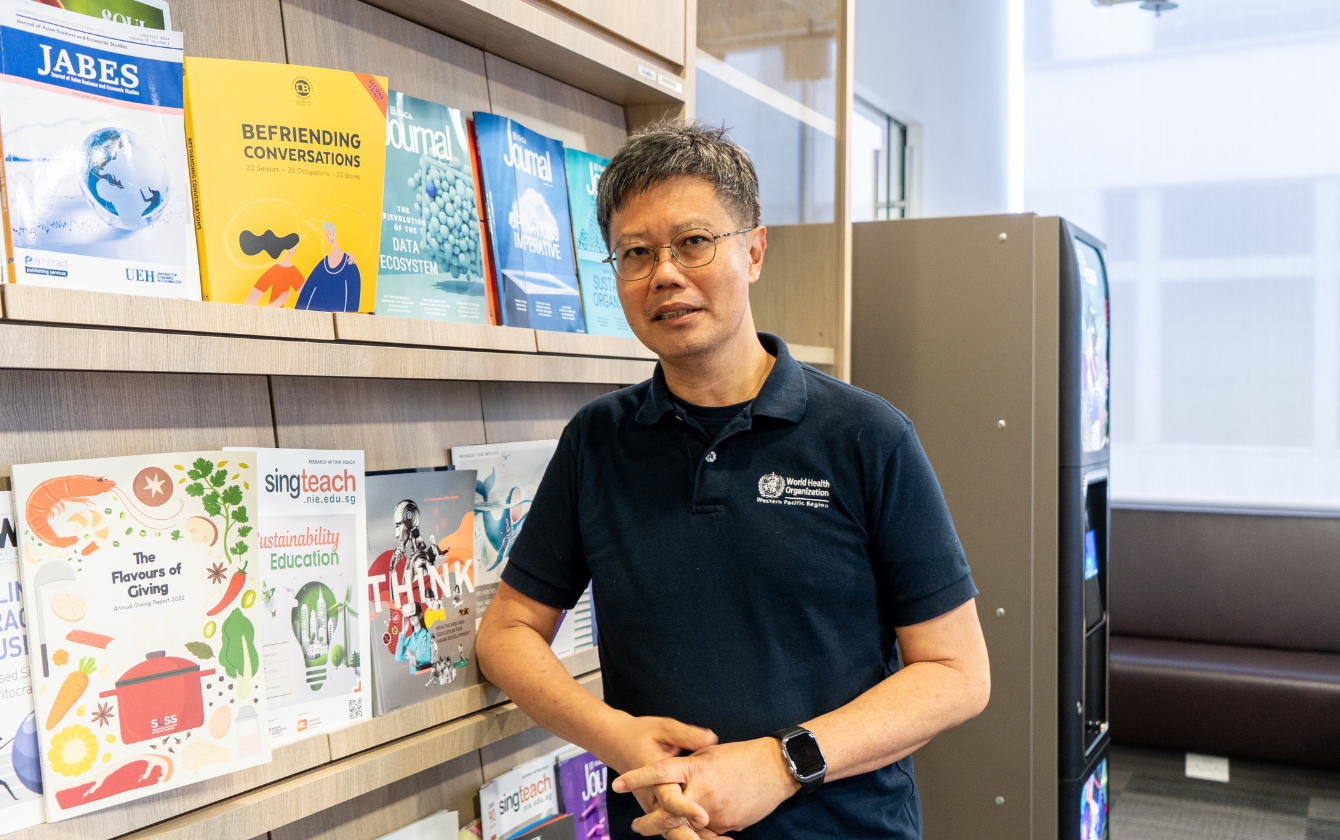
“You are either a caregiver, or will be one”, says Assoc Prof Kelvin Tan of Silver Caregivers Co-op
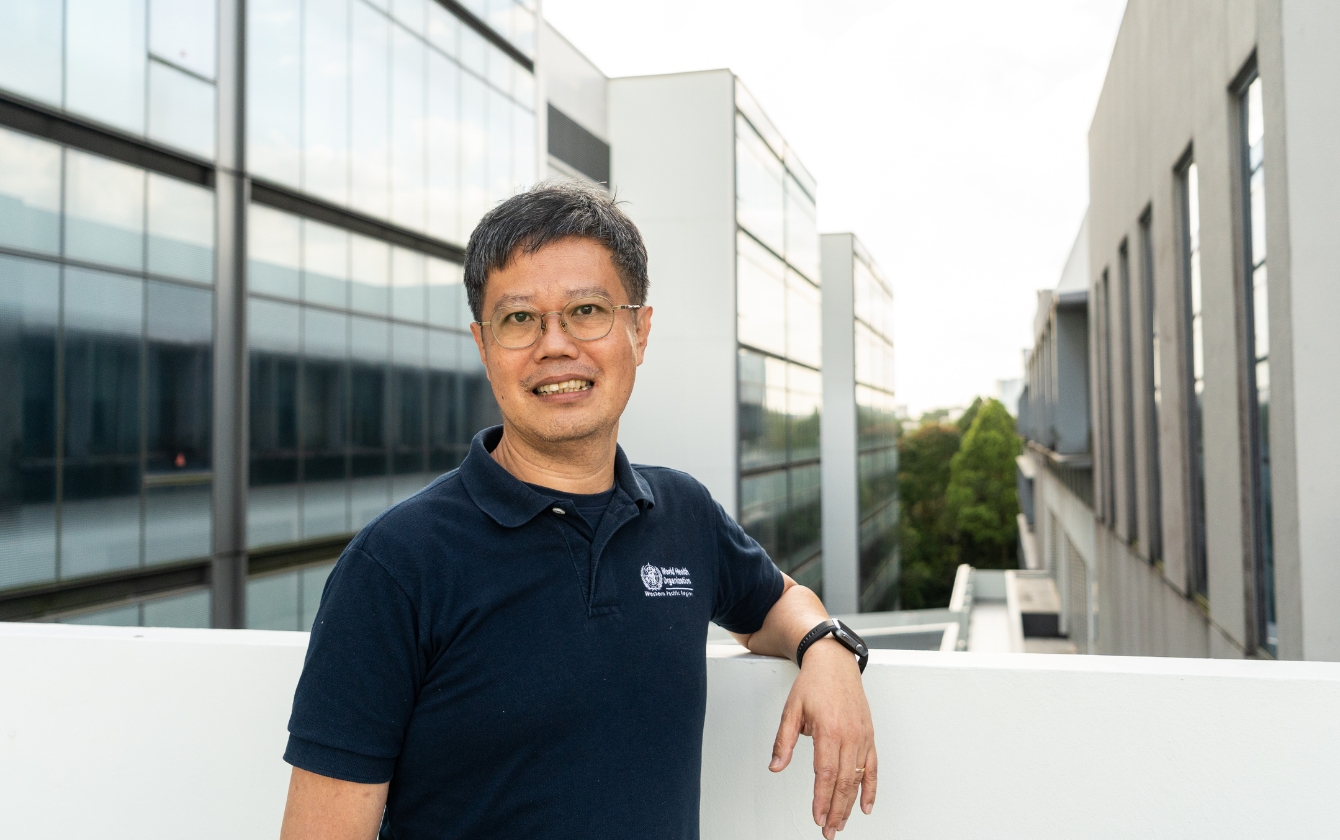
In gerontology, there is a simple reality. “You are either a caregiver today or becoming a caregiver, or you're going to be receiving caregiving,” says Assoc Prof Kelvin Tan, also a Committee of Management at Silver Caregivers Co-operative Limited (SCCL).
As Singapore moves towards becoming a super-aged society, that observation feels immediate. By 2030, one in four residents will be aged 65 and above. More families are navigating what it means to support ageing parents while managing careers, children and rising costs.
Assoc Prof Tan, has spent years studying, and researching gerontology. He has also lived through it at home and seen friends struggling with caregiving.
When his mother required increasing levels of care before she passed on last year, caregiving became a shared responsibility among siblings. The family eventually hired a domestic helper from Myanmar, to lessen the stress for the caregiving support. Communication quickly became one of the main challenges.
His mother did not speak English. Nor was the domestic helper able to speak Mandarin. At first, they relied on paper and pen to sketch out instructions. Later, they turned to mobile app translation tools. With the language barriers eased, miscommunications lessened and so did the frustration too.
A WhatsApp group kept siblings updated on blood pressure readings and medication schedules. The helper would send photographs so that decisions could be made collectively.
Caregiving today, he says, is rarely just about physical assistance. There is also the element of emotional reassurance, coordination among family members as well as maintaining dignity for the person receiving care.
“Caregiving shouldn’t be just about ‘pushing a wheelchair’,” he says. “It entails the mental well-being support, how we could make people feel that they are included and not feel left out.”
As Singapore ages, he believes these layers of responsibility will only deepen. Beyond the so-called sandwich generation, there are smaller families, migrant workers, single adults and longer life expectancies to consider.
Technology, in his view, can help alleviate the woes of the challenging landscape.
Humanising Technology
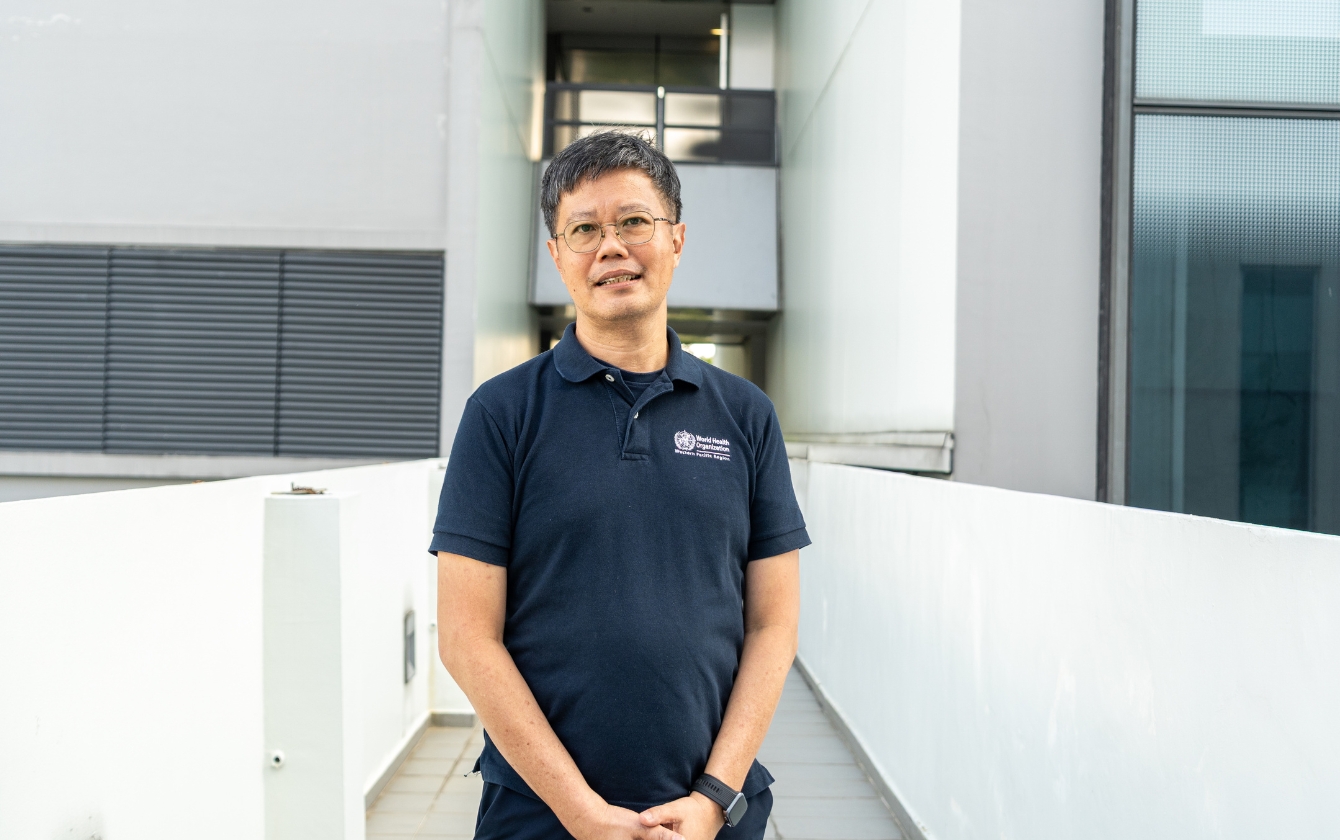
This year, Silver Caregivers Co-operative Limited (SCCL), where Assoc Prof Tan serves as a Committee of Management member, has chosen to focus on technology in caregiving.
The theme, he says, is not about gadgets as a buzzword.
“We are not talking about tech for the sake of tech, but about humanising tech, which means we want to give technology a warm, human interface,” he says.
He acknowledges that many people feel uneasy about artificial intelligence or robots. There are fears about data breaches, job displacement and over-reliance on technology.
At the same time, he sees practical ways in which technology can reduce burnout.
Translation tools reduce language barriers between families and foreign domestic helpers. Wearable devices, such as smart watches, can now measure heart rate and, increasingly, blood pressure with greater accuracy. Active ageing centres (AACs) are also incorporating digital equipment and gamified activities to engage seniors.
He also points to social robots that he has loaned to hospices, community hospitals and active ageing centres.
“Humans are humans, we need sleep. We need rest. Otherwise, we fall sick. But robots will not fall sick,” he muses. Such devices, he adds, can “help to fill the void for social loneliness”.
Still, he cautions against blind trust.
Families must be careful not to disclose sensitive health information or financial details through unverified platforms. Photographs and personal data should not be shared indiscriminately.
At the same time, he worries about older persons being warned by their family members to avoid digital tools entirely.
He has observed situations where seniors are instructed not to answer unfamiliar calls or to stay away from online platforms altogether. Such warnings, while well-intentioned, can heighten anxiety and widen the digital divide.
Instead, he believes education is key. Caregivers should be equipped to understand both the benefits and risks of technology.
“People have to be careful as they trust technology, not to give away too much information unless they know the application well enough,” he says.
In other words, technology is meant to complement human care.
“Technology can only help so much,” he says. “You may have the money to buy technology, but then you realise that I can have all the robots and all this, where is the heart to it?”
A Co-operative with a Heart
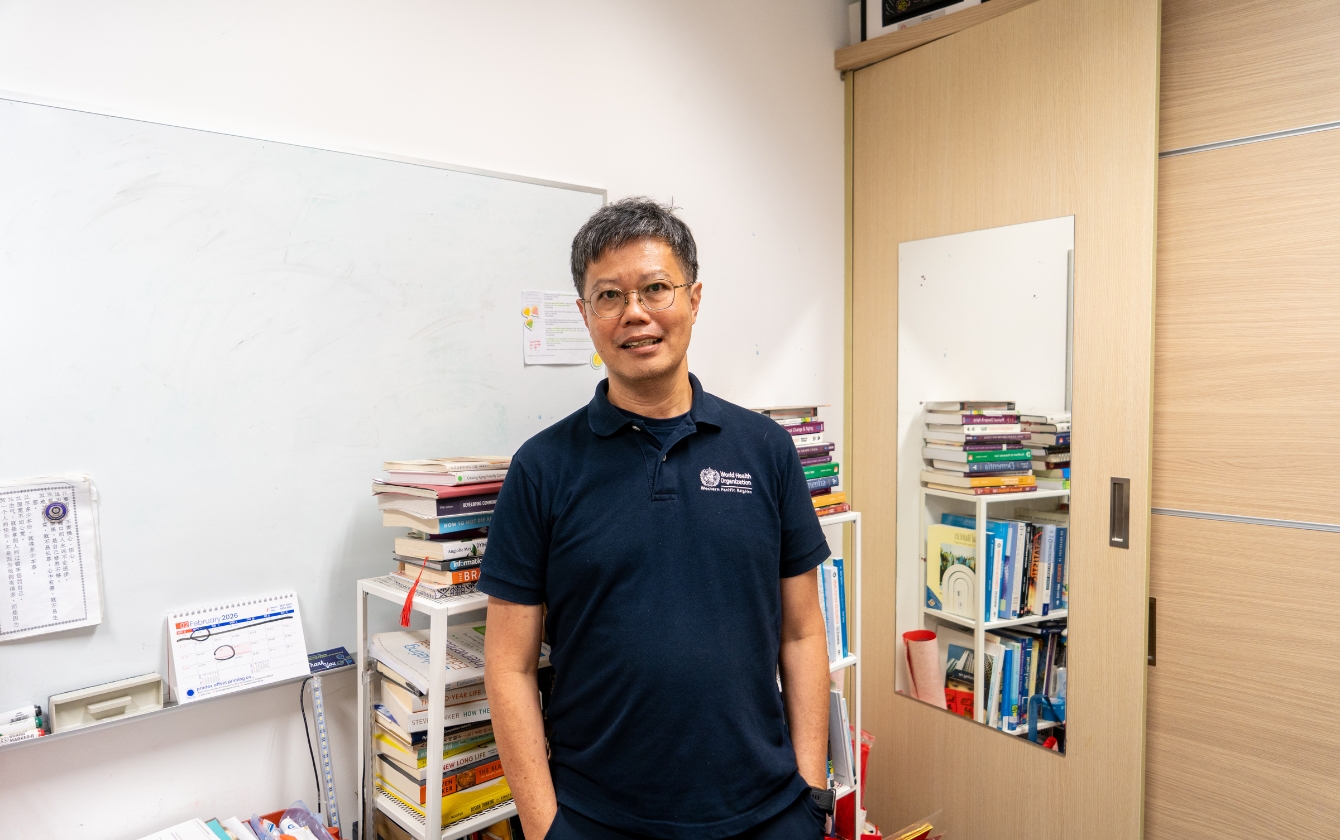
Founded to support caregivers, SCCL operates with modest resources. It does not function as a marketplace for products. Instead, it serves as a platform for education, networking and mutual support.
Regular tea sessions bring together small groups of 10 to 20 participants for open conversations. Annual symposiums draw larger audiences, often featuring personal storytelling by caregivers who share lived experiences.
“We have limited resources as a co-operative,” Assoc Prof Tan says. “But when we have someone who wants to join SCCL, it is a cause for celebration as we have one more advocate for the purpose SCCL was set up.”
The co-operative’s approach reflects his own philosophy. Today, caregiving is not solely the responsibility of one individual; it involves family members, domestic helpers and, increasingly, community networks.
“In gerontology, we say you are either caregiver today or to be caregiver, or you're going to be receiving caregiving,” he reiterates.
As Singapore approaches its super-aged milestone, more people will step into that role.
Technology may ease communication, monitor vital signs or offer companionship during moments of solitude. But the responsibility remains deeply human.
For Assoc Prof Tan, supporting caregivers through SCCL is about ensuring that as tools become more sophisticated, empathy does not recede.
“We are small,” he says of the co-operative. “But we feel a kind of closeness among all the core members.”
In an ageing society, that closeness may matter more than ever.
By Sng Ler Jun
Faces of Co-operator is a seasonal column featuring the stories behind the Singapore Co-operative Movement. Here, we featured Associate Professor Kelvin Tan from Silver Caregivers Co-operative Limited.