

June 2026 Issue: Co-operator Newsletter Quarterly June 2026
ASEAN Co-operative Organisation (ACO) recognised as ASEAN entity, unveils 5-year plan at Penang AGM
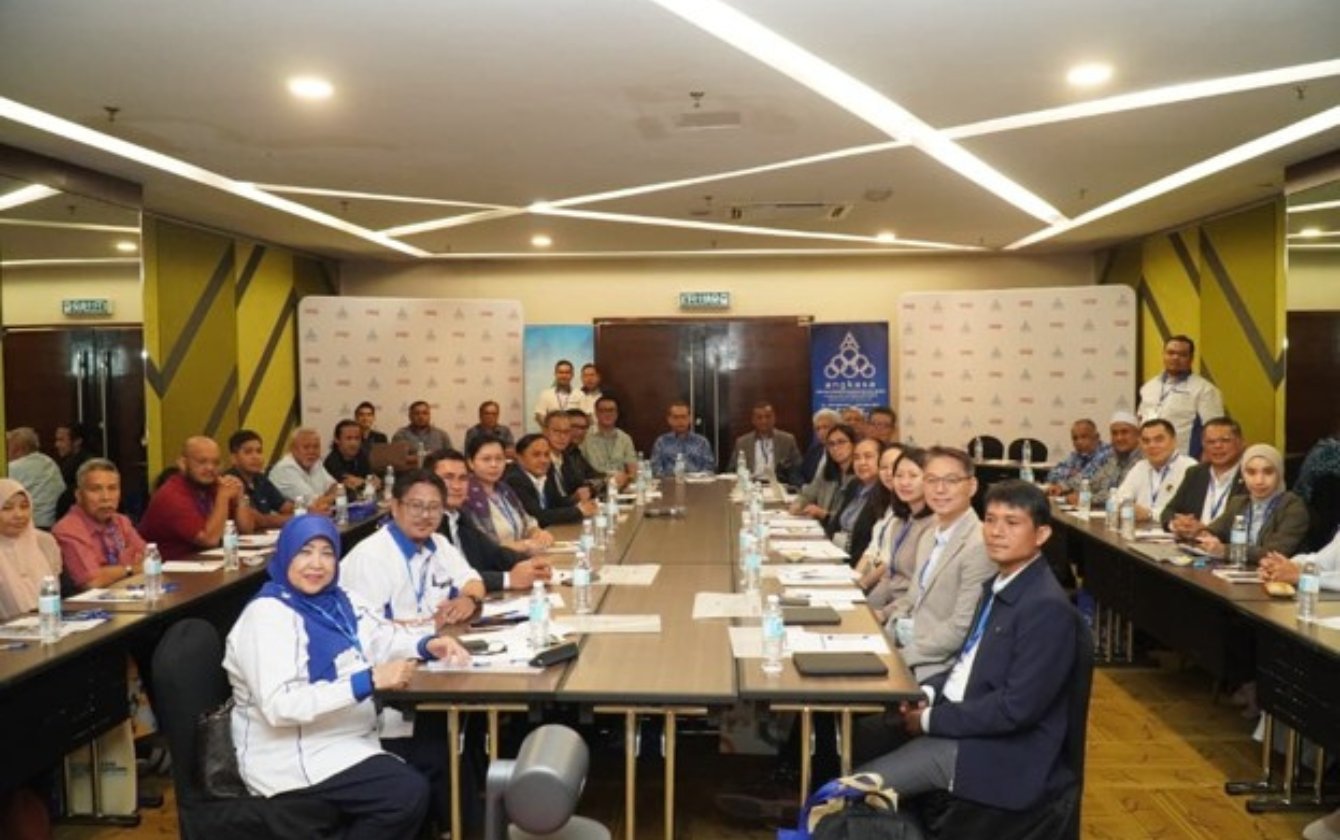
The ASEAN Co-operative Organisation (ACO) has been officially recognised as an ASEAN Associate Entity under the Civil Society Organisation category, ACO announced at its Annual General Meeting (AGM) in Penang, Malaysia, on 20–21 May 2026.
The accreditation, effective 2 April 2026, caps a 12-year push for institutional recognition and gives ACO, which represents more than 347,000 co-operatives across all 11 ASEAN member states, a formal channel to engage the ASEAN Secretariat and Committee of Permanent Representatives directly.
Practically, this means ACO can now tap regional funding such as the ASEAN Development Fund, participate through the ASEAN Entities Digital Platform, and use official ASEAN symbols in its work.
ACO traces its roots to 6 December 1977, when the national apex co-operative bodies of Malaysia, Indonesia, Thailand, the Philippines and Singapore signed a joint declaration establishing the organisation, with the aim of deepening economic co-operation and growing the co-operative movement across the ASEAN region.
The Singapore National Co-operative Federation (SNCF) was represented at the AGM by Executive Council Member Mr Derek Gooh, alongside co-operatives and apex bodies from Cambodia, Indonesia, Thailand and the Philippines.
ACO’s 5-year blueprint announced at AGM
At the AGM, ACO also unveiled a five-year blueprint (2026–2030) built around six pillars:
1. Institutional Governance & Statutory Compliance2. Multilateral Revenue Diversification & Fund Drawdown
3. Subregional Economic Corridor & Supply Chain Integration
4. Localised Economic Connections & Service Packages
5. Regional Technical Capacity Building & Professional Excellence
6. High-Level Policy Advocacy & Diplomatic Engagement
The blueprint aims to shift co-operatives from isolated welfare operations towards active participants in cross-border trade and regional policymaking.
Concrete initiatives flagged include a new Cooperative Joint Council to link co-ops to regional markets, exploratory work on cross-border digital wallets and e-payment corridors, and the ASEAN Co-operative Management and Leadership Institute, set to launch in Jakarta this August.
ANGKASA’s President to resume leadership mantle
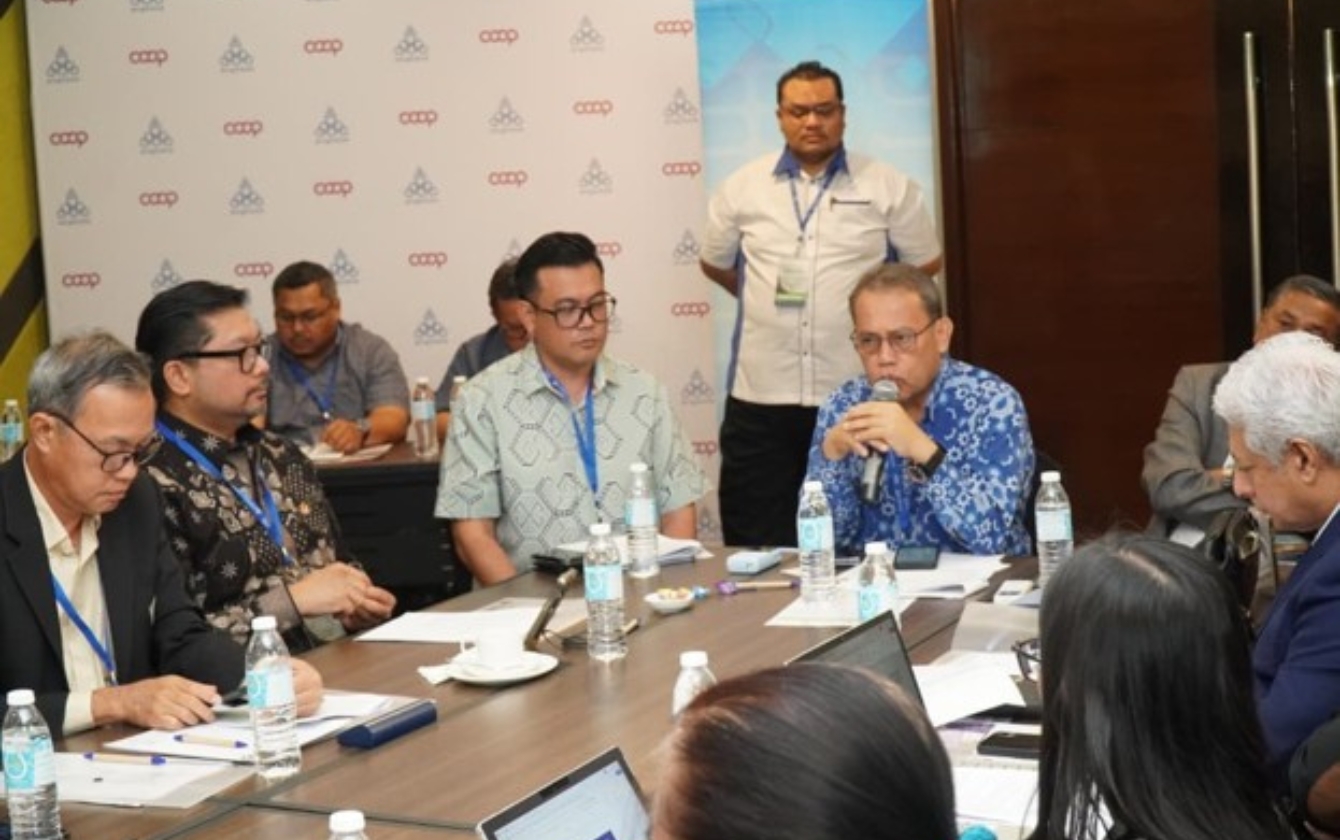
The President of the Angkatan Koperasi Kebangsaan Malaysia Berhad (ANGKASA) Datuk Seri Dr Abdul Fattah Abdullah was also re-elected unopposed as ACO President for the 2026–2030 term, a post he has now held since 2014. ANGKASA is the secretariat of ACO.
The initiatives launched at the AGM are expected to have implications for close to 400,000 co-operatives and over 66 million members across the region, underscoring ACO's growing role as a platform for regional co-operative collaboration.
“We want Asean cooperatives to become a more resilient, inclusive and competitive people's economic force at the international level," he said, as reported in Malaysia’s leading English daily The Star.
By Wong Si Ning, Edited by Mary Njo
With additional reporting by Sng Ler Jun