
March 2026 Issue: Co-operator Newsletter Quarterly March 2026
Singapore pledges S$30 million to rejuvenate century-old Co-operative Movement
A version of this story appeared on International Co-operative News.
The Singapore government has pledged up to S$30 million to support a 10-year Transformation Roadmap for the Singapore Co-operative Movement, making a major effort to strengthen the sector after it celebrated its centennial anniversary last year.
Announced during Singapore’s annual Committee of Supply debate by the Ministry of Culture, Community and Youth, the funding will support programmes and initiatives from 2026 to 2036 aimed at renewing leadership, strengthening governance and expanding the movement’s reach in society.
The Roadmap, developed by the Singapore National Co-operative Federation (SNCF) together with the Registry of Co-operative Societies (RCS), is built around four strategic pillars: Talent and Leadership; Governance and Stewardship; Operational Excellence and Scale-up; and Community Outreach and Impact.
Addressing social and economic needs in Singapore

The investment comes at a moment when co-operatives in Singapore, many of which were founded to address social and economic needs such as access to affordable goods, credit and services, are seeking new ways to remain relevant amid a more competitive and rapidly evolving economy.
“Our co-ops are facing growing challenges to renew their talent pipeline and to attract young members in a more competitive landscape,” said Minister of State for Community, Culture and Youth Dinesh Vasu Dash, 50.
“We will help co-ops stay relevant as they develop new capabilities to address emerging needs and transform for the future. Co-ops will receive support to invest in talent development, governance, and operational efficiency,” he added.
“We are excited by this news,” said Mr Ang Hin Kee, 60, chief executive of SNCF. “As the landscape becomes more competitive, we know we must continue evolving so we can serve communities well.”
Co-operatives are businesses owned and run by members for their mutual benefit. They have played a role in Singapore’s development for over a century. Today, there are 1,000,000 members across 73 co-operatives in Singapore, comprising organisations operating in areas ranging from consumer services and finance to social services and community support.
Revitalising the 101-year-old Singapore Co-operative Movement

The new roadmap aims to prepare the sector for the next phase of its development by investing in leadership renewal and institutional capability.
For now, the first concrete initiatives announced fall under the Talent and Leadership pillar.
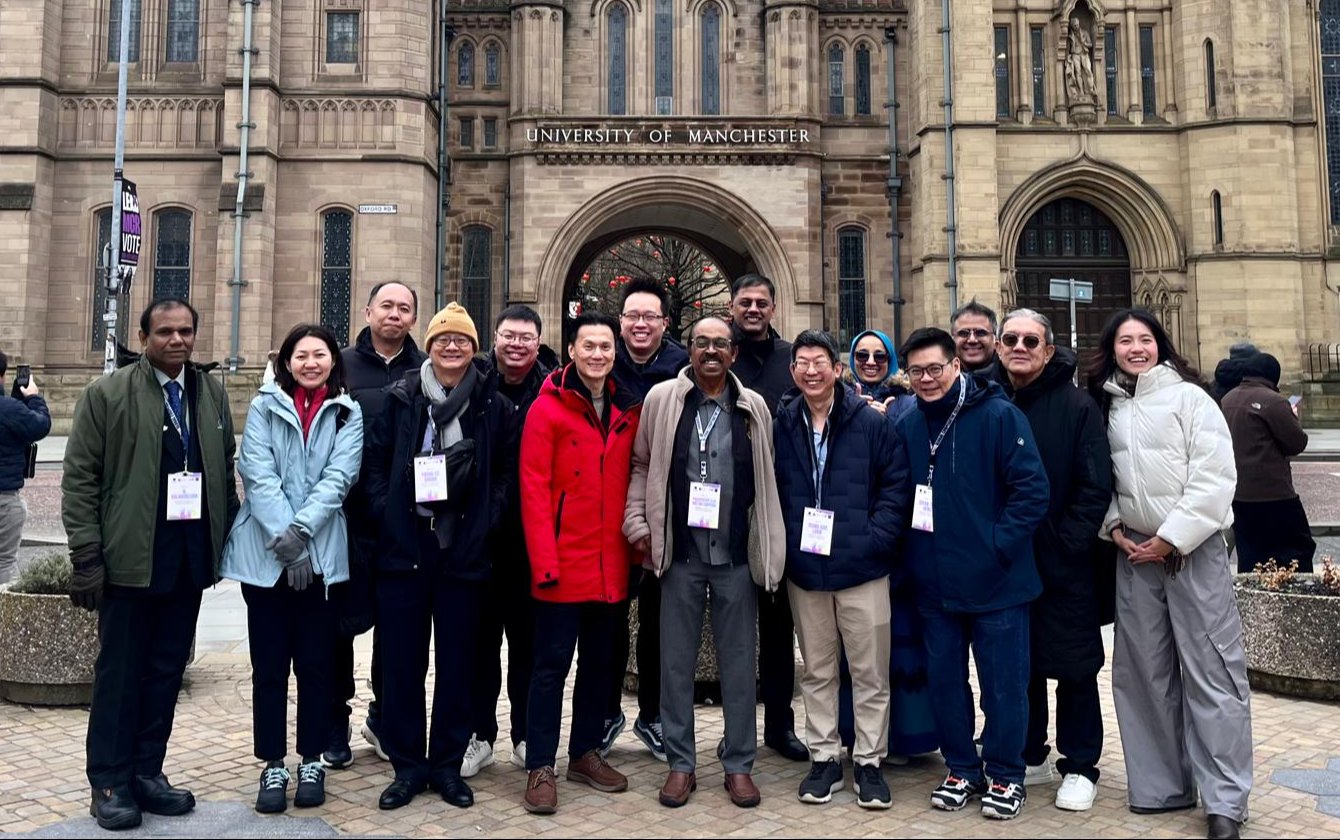
One programme, the Co-operative Leaders Programme (CLP), targets established leaders with three to ten years of leadership experience in the co-operative sector. Participants will be exposed to international co-operative exchanges and leadership development opportunities to strengthen the strategic direction of their organisations. 2026 marks the inaugural launch of CLP.
“The Co-operative Leaders Programme provided useful insights into the challenges co-operatives face, particularly around change management. At this stage, as our co-operative goes through a leadership transition, it has helped me think more clearly about how to manage change and plan for the long term,” said Ms Tasneem Faiyaaz Basrai Nee Maskati, 56, Vice Chairperson of Silver Caregivers Co-operative.
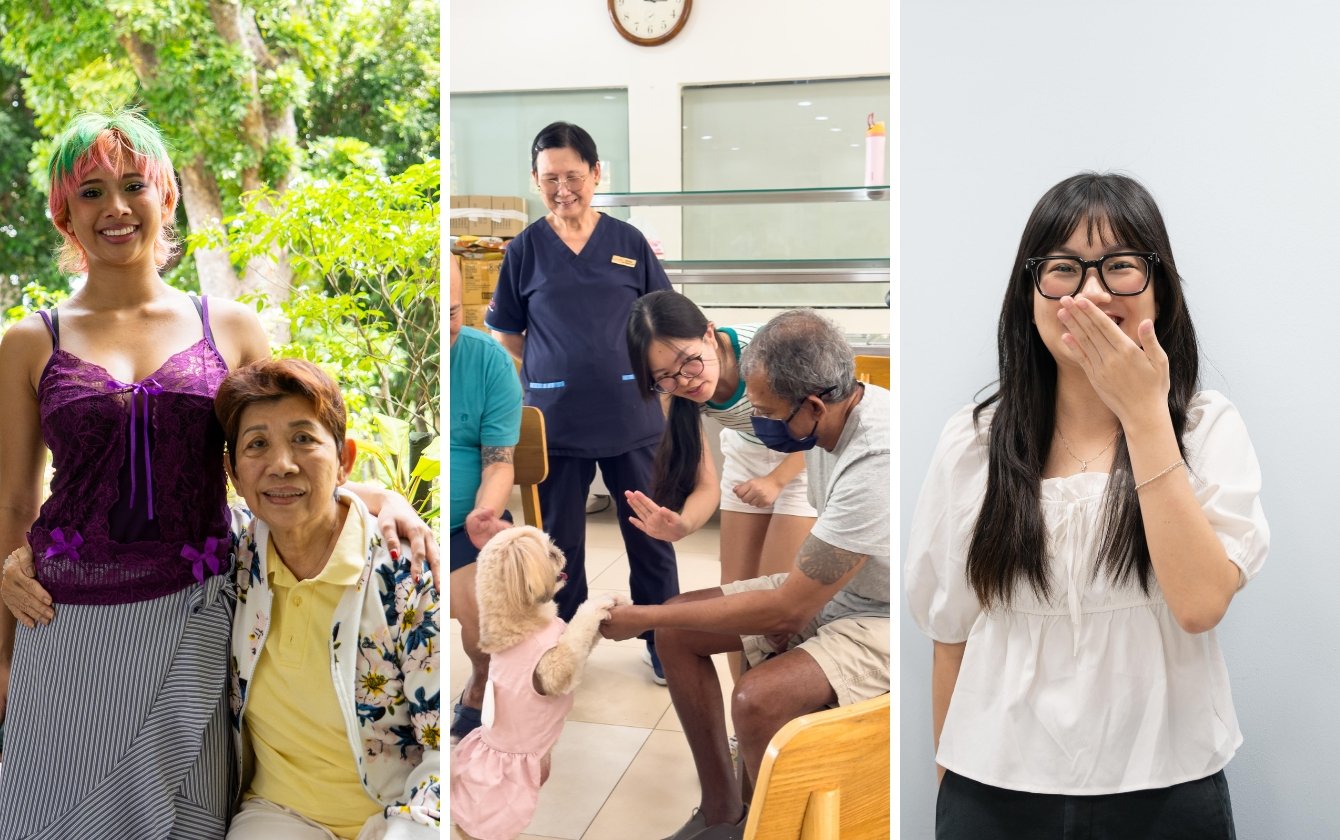
Ms Tasneem, who is also a caregiver to her ageing parents, said she was drawn to the co-operative after seeing how it supports others in similar situations. The caregiver co-operative focuses on training and supporting caregivers, a group she described as often overlooked despite the critical role they play. Its upcoming annual caregiver symposium on May 16, for instance, will spotlight how technology can empower care, dignity, and independence.
Previous iterations of the symposium highlighted pertinent issues regarding ageing and support for caregivers, such as legacy planning and creating more support for caregivers.
“The global exposure helps us understand that co-operatives around the world face similar challenges. While the contexts may differ, it is reassuring to know that we are part of a wider movement guided by the same principles and values,” she added.
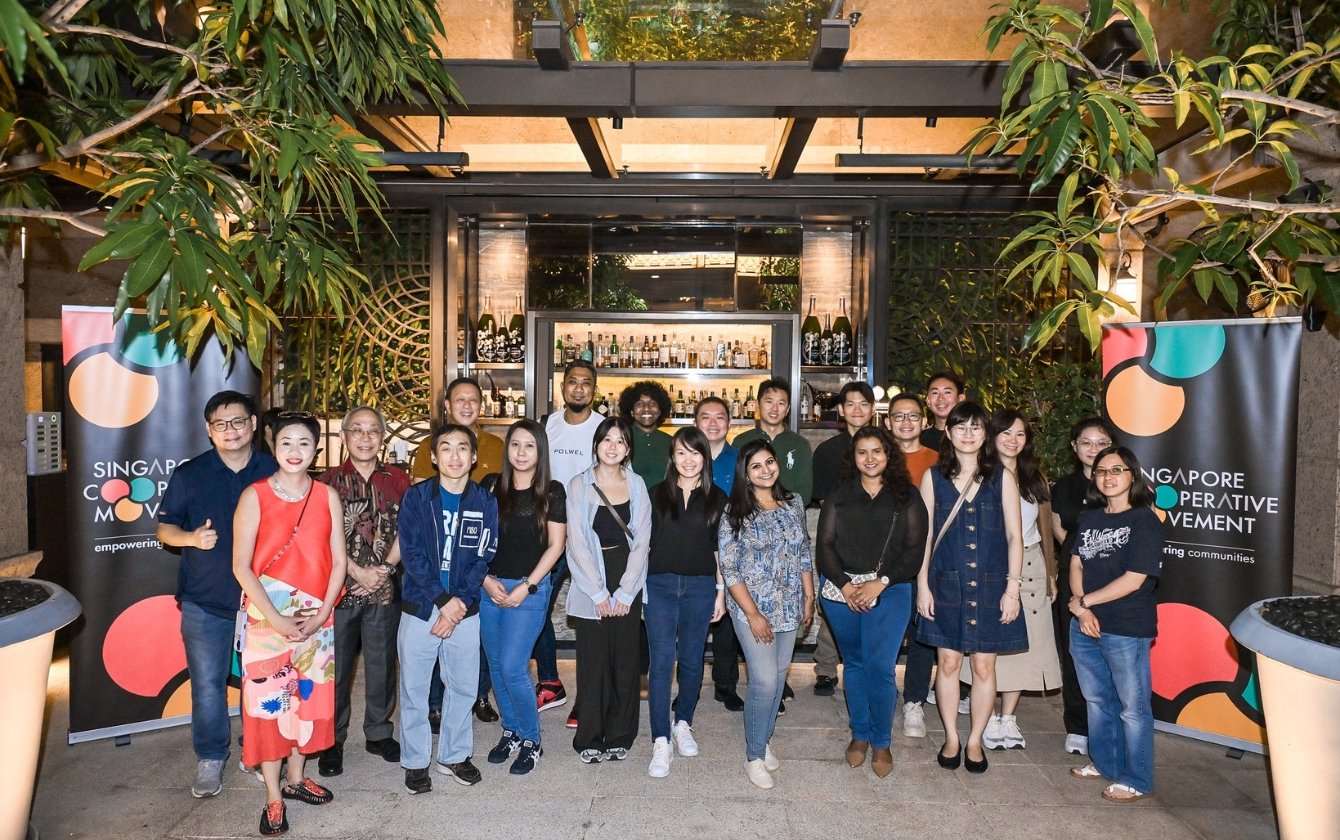
A second programme, the Emerging Leaders Programme (ELP), focuses on co-operative professionals with about one to three to five years within the co-operative. First established in 2023, ELP supports participants in building leadership capabilities, strengthening problem solving skills, and deepening their understanding of the co-operative movement. As of 2026, a total of 60 emerging leaders from various co-operatives have participated in the programme.
Attracting youths into the co-operative sector
The remaining pillars, which focus on governance, operational capabilities and public engagement, will be rolled out progressively.
Under the Community Outreach and Impact pillar, for instance, SNCF plans to explore initiatives that will make co-operatives more visible to the public and attract greater youth participation.
“We must bring new generations into the fold as volunteers, members, leaders and even founders of new co-operatives. For co-operatives to serve communities meaningfully, we need younger Singaporeans to not just understand the co-operative model, but to also play a part in shaping its future,” said Mr Ang.

“Co-operatives can feel abstract to young people today. But when linked to real problems they care about, the model becomes much more compelling,” said Ms Raena Leang, 25, the Strategic Operations Officer at GP+ Co-operative.
She also noted that youth could benefit from mentorship, guidance, and opportunities to grow or find like-minded folks within the co-operative ecosystem. “Co-operatives feel much more relevant to young people when they are presented as practical ways to solve real-life challenges, instead of abstract organisational models,” she added.
Investment well-received at first glance
Observers say the roadmap signals a broader effort to ensure that co-operatives remain relevant as economic and social conditions change.
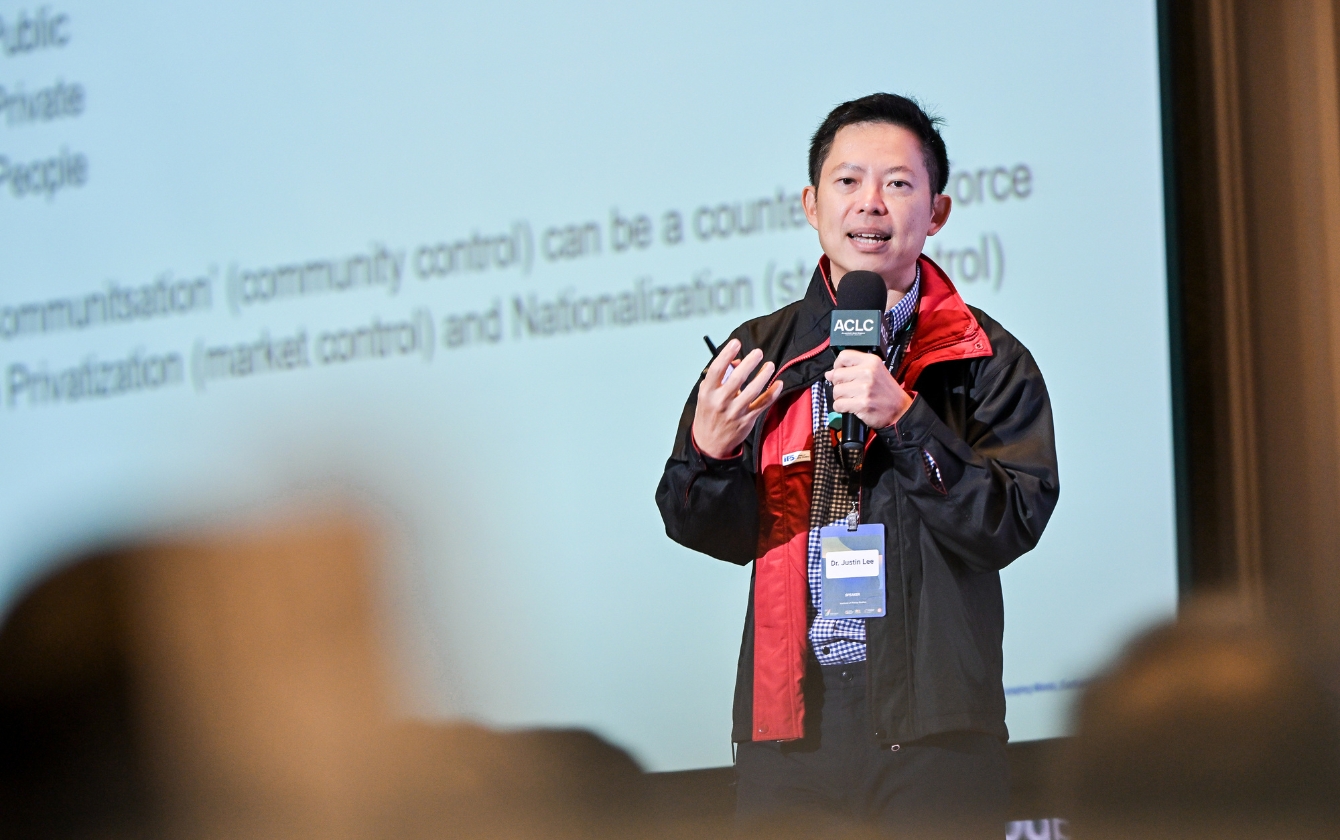
“This is a significant recognition of the co-operative sector, and long overdue because it has been 100 years for the Singapore Co-operative Movement,” said Mr Justin Lee, 50, Senior Research Fellow and Head of Policy Lab at the Institute of Policy Studies.
“Few Singaporeans are fully aware of what co-operatives are and the kind of social impact they can make,” said Mr Lee, who is also a member of changemaker co-operative A Good Space.
For the Singapore Co-operative Movement to grow, nurturing a new generation of leaders is pertinent, said Mr Lee. “These would be the young people who understand not just how to engage their own members but see that co-operatives have a larger social purpose when designed and governed well,” Mr Lee added.
“In other words, not just cooperate to do well for their own members but cooperate to contribute to social good and the larger commons,” he said.
In Singapore, co-operatives operate in a landscape that increasingly includes private enterprises, social enterprises and multinational corporations competing for talent and market share.
Redefining principles of self-help & mutual assistance
Yet supporters argue that the co-operative model, which emphasises shared ownership and community benefit, continues to offer an alternative way of organising businesses and services.
“Given the climate crises and rising inequality, co-operatives matter even more today because certain models of co-operative enterprises ensure democratic control and robust governance so that the values of multiple stakeholders, such as workers, producers, consumers, or the community, are safeguarded instead of just those of shareholders in private enterprises.” Mr Lee said.
“Co-operatives bring a unique strength in their community ownership and flexibility, allowing them to respond to evolving needs while complementing the wider ecosystem of support in Singapore,” Mr Dinesh said.
One such example is Silver Horizon Travel Co-operative, which organises travel experiences for seniors. Its work centres on making travel safer, more accessible and socially meaningful for an ageing population.
Another example is POLWEL Co-operative, a multi-purpose co-operative that supports members of the Singapore Police Force and other Home Team departments through financial services, professional development and career transition programmes. As the business arm of the Police Central Welfare Fund, it also contributes to broader welfare initiatives that benefit the Force and the wider community.
For leaders within the movement, the funding support represents both recognition of the sector’s past contributions and a push to prepare it for the future.
“I am most excited about the Community Outreach and Impact pillar, particularly the incubation space. While the plans are still being developed, this pillar already includes several core elements which are essential to allowing co-operatives live out their full potential in Singapore,” said Ms Leang.
“If implemented well, this could enable co-operatives to become a meaningful force in strengthening Singapore’s socio-economic fabric, and move us closer towards a more collaborative, ‘we-first’ society,” she added.
Over the next decade, the roadmap will test whether co-operatives can evolve into a more visible and active force in Singapore’s social and economic landscape, and in doing so, renew a sense of shared purpose in how communities come together.
By Sng Ler Jun