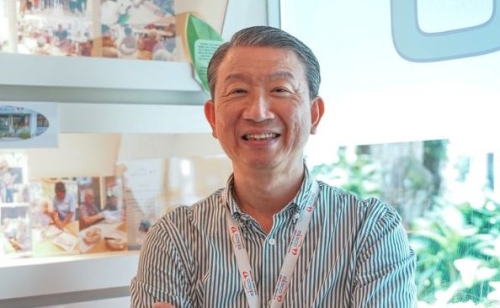


“Co-ops have the potential to make a meaningful difference for Singaporeans,” says Crystal Du

Crystal Du did not speak about laws or grants when asked what stayed with her most from her years overseeing Singapore’s co-operative sector. Instead, she returned to a roomful of young leaders, gathered at a conference in 2024, talking candidly about why they had chosen a movement that many still regard as unfashionable or misunderstood.
“Their passion and dedication reinforced my conviction that co-operatives remain not only relevant but also have the potential to make a meaningful difference for Singaporeans, especially during our most challenging times. And the key to this is leadership,” she said.
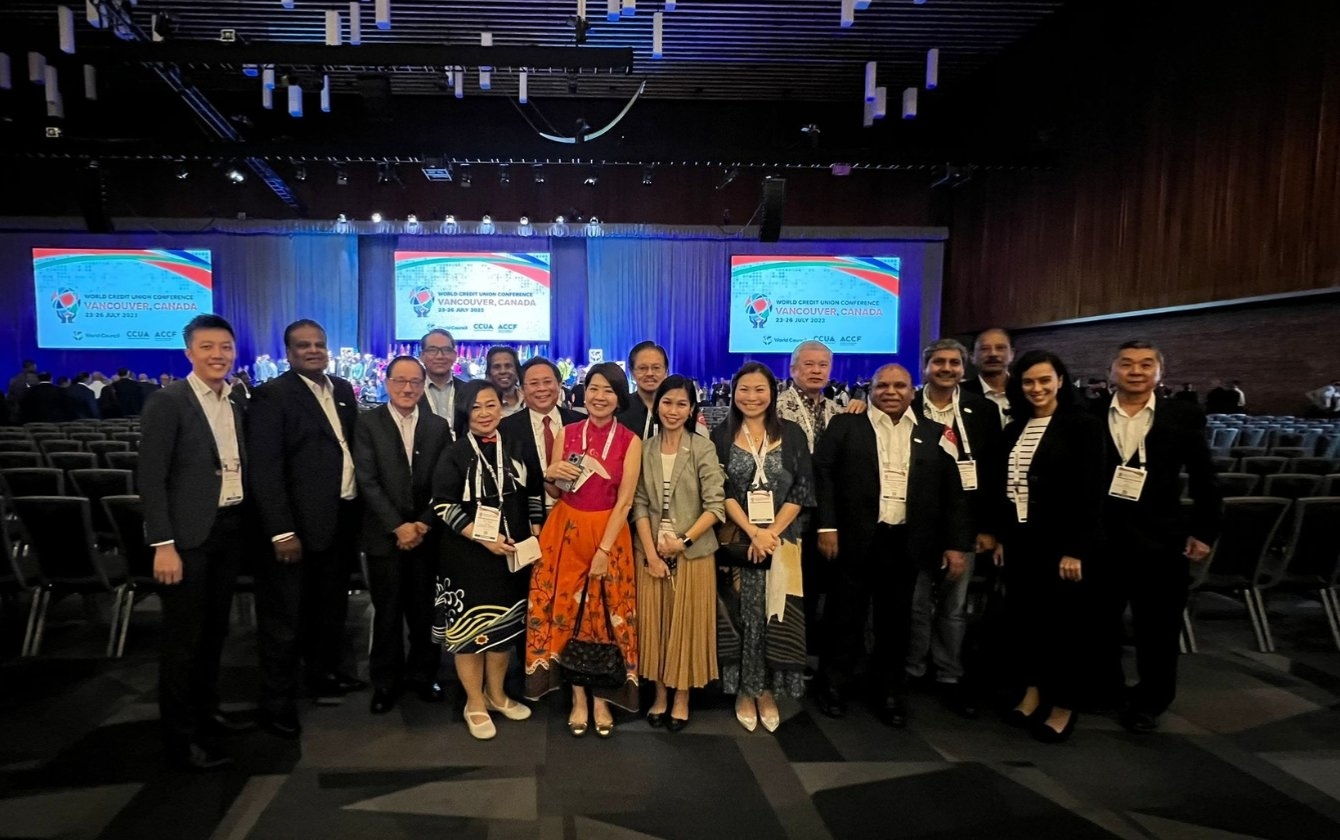
Ms Du, who recently stepped down as Registrar of Co-operative Societies to take on a role in the charity sector, held the post during a period of sustained uncertainty. The Covid-19 pandemic strained co-operatives operationally and financially, underscoring the importance of strengthening longer-running issues around succession, governance and talent retention.
“One of the significant challenges has been guiding co-operatives through the Covid and post-Covid periods where their operations were severely affected by the pandemic,” she said. “The other has been to encourage co-ops to work on their leadership succession, talent retention and their governance journey.”
Her role, she noted, was never only about enforcement.
“The role of a Regulator should not be confined to just ensuring regulatory compliance,” Ms Du said. “While this is fundamental to ensure public trust is upheld and members’ interests are protected, an effective regulator must also look at the capability development of the sector and facilitate its growth in serving their members and community needs.”
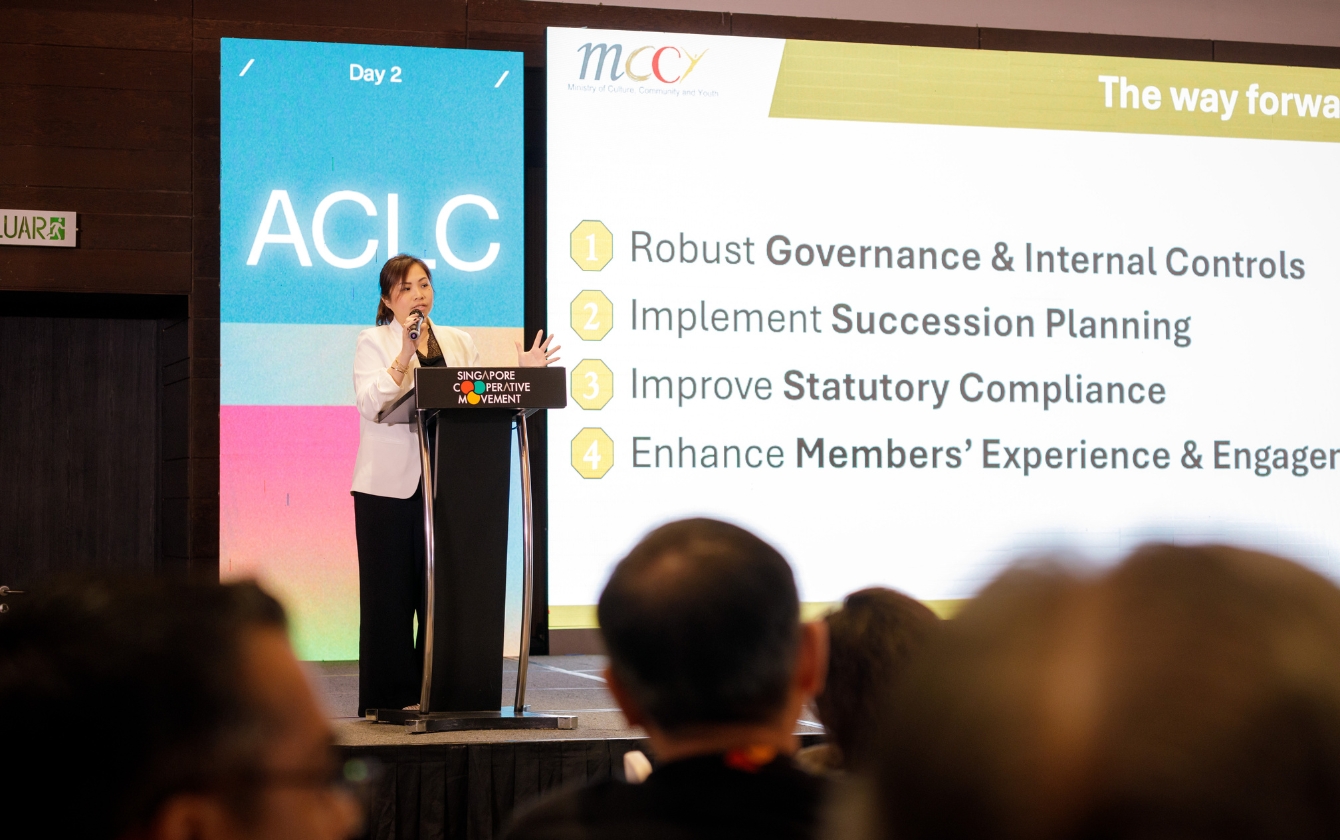
That philosophy shaped a series of measures introduced during her tenure, from temporary relief on sector contributions to legislative amendments that allowed co-operatives to draw on reserves during lean years. It also informed the launch of the Empowering Communities Fund (ECF), which has since supported ground-up projects serving caregivers, seniors and persons with special needs.
“To date, the ECF has supported more than 18 ground-up projects that benefit vulnerable communities, such as the elderly, persons with special needs, and caregivers,” she said.
Ms Du has watched the sector change quietly. Long-standing co-operatives, she commented, have adapted without abandoning their core purpose, while newer ones have emerged to meet social needs that fall between the gaps of markets and the state.
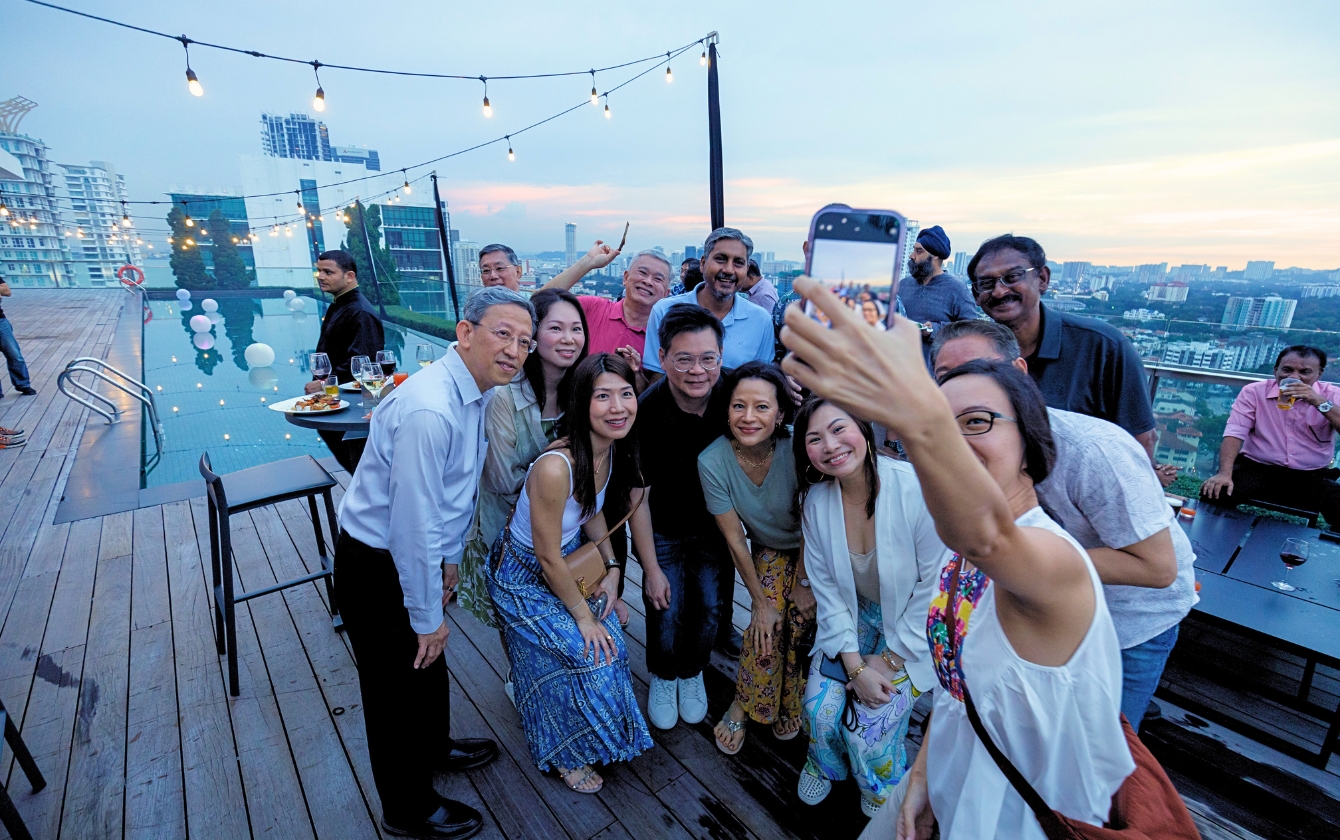
“There is a growing spirit of teamwork and collaboration amongst our co-operatives,” she observed. And this is exceptionally important considering how the sector is looking to embark on the Singapore Co-operative Movement 10-Year Transformation Roadmap.
As leadership of the Registry passes to Ms Cheng Min, Ms Du’s attention has turned to the longer arc of the movement. This year, more than 1,200 stakeholders contributed to a Roadmap intended to guide the sector’s future.
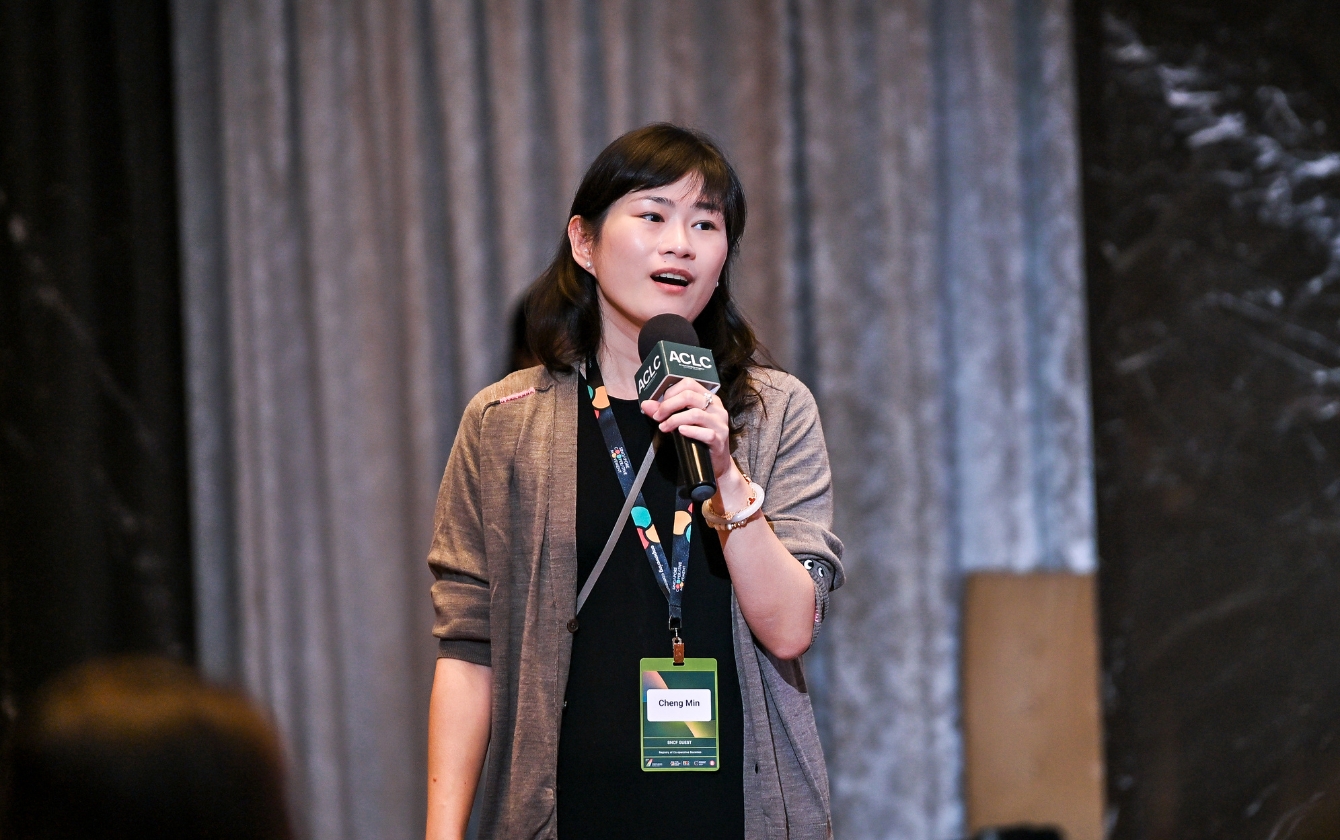
In a follow-up chat with the incoming Registrar, Ms Cheng expresses her excitement for the movement. Like her predecessor, she explains the potential behind the century-old social good movement, especially how it can impact communities and address emerging needs. “I look forward to working closely with SNCF and our fellow co-operators to build on the strong partnership we already share,” Ms Cheng said.
Whether that roadmap succeeds, she suggested, will depend less on structures than on the values of the people who carry it forward.
“I believe our co-operatives are uniquely positioned to be the architects of a ‘We-First’ society by actively building it through meaningful partnerships and sustained community engagement,” Crystal said.
By Sng Ler Jun
Faces of Co-operator is a seasonal column featuring the stories behind the Singapore Co-operative Movement. Here, we featured Crystal Du, former Registrar of Co-operative Socierties from the Ministry of Culture, Community and Youth.