
“In a complex world, co-ops create spaces where people can support one another”: Dinesh Vasu Dash
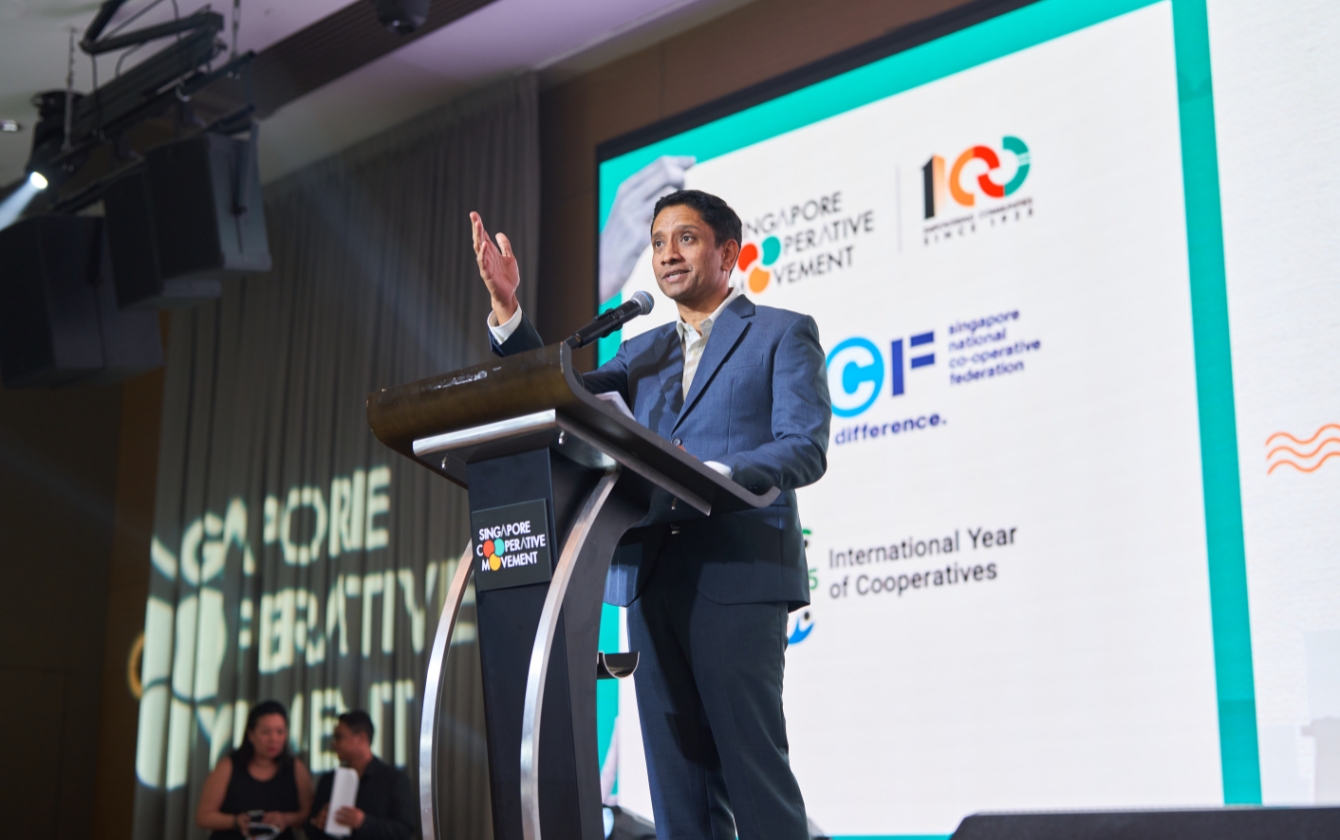
Co-operatives, says Minister of State for Culture, Community and Youth (MCCY) Dinesh Vasu Dash, remain one of the oldest forms of community mutual help, built on trust, teamwork and mutual support. At their core is a simple idea: that people can achieve more when they come together around a shared purpose. This “We-first” spirit, he adds, is what sets co-operatives apart, where success is measured not just by financial returns, but by the positive impact created for members and the wider community.
For him, that belief is also personal. Growing up, he saw how a co-operative supported his father during his police career, not just through financial services, but as a close-knit network that looked out for one another through challenges. That experience shaped his view of co-operatives as more than functional entities. They are communities that provide a sense of belonging, built on shared responsibility and mutual care.
Today, even as start-ups and social enterprises gain traction, he sees co-operatives playing a distinct and complementary role in Singapore’s social fabric. Through community ownership and collective solutions, they continue to address practical needs while strengthening social bonds.
Read on to find out our exclusive interview with Mr Dinesh here.
What comes to your mind when you think about co-operatives?
Co-operatives are one of the oldest forms of community mutual help, built on trust, teamwork, and mutual support. They bring people together to pool resources and meet shared needs that would be difficult to address alone.
They embody a “We-first” spirit, where success is measured not just by financial returns but by positive impact created for members and the wider community. It is the focus on shared benefit and supporting one another that makes co-operatives truly special.
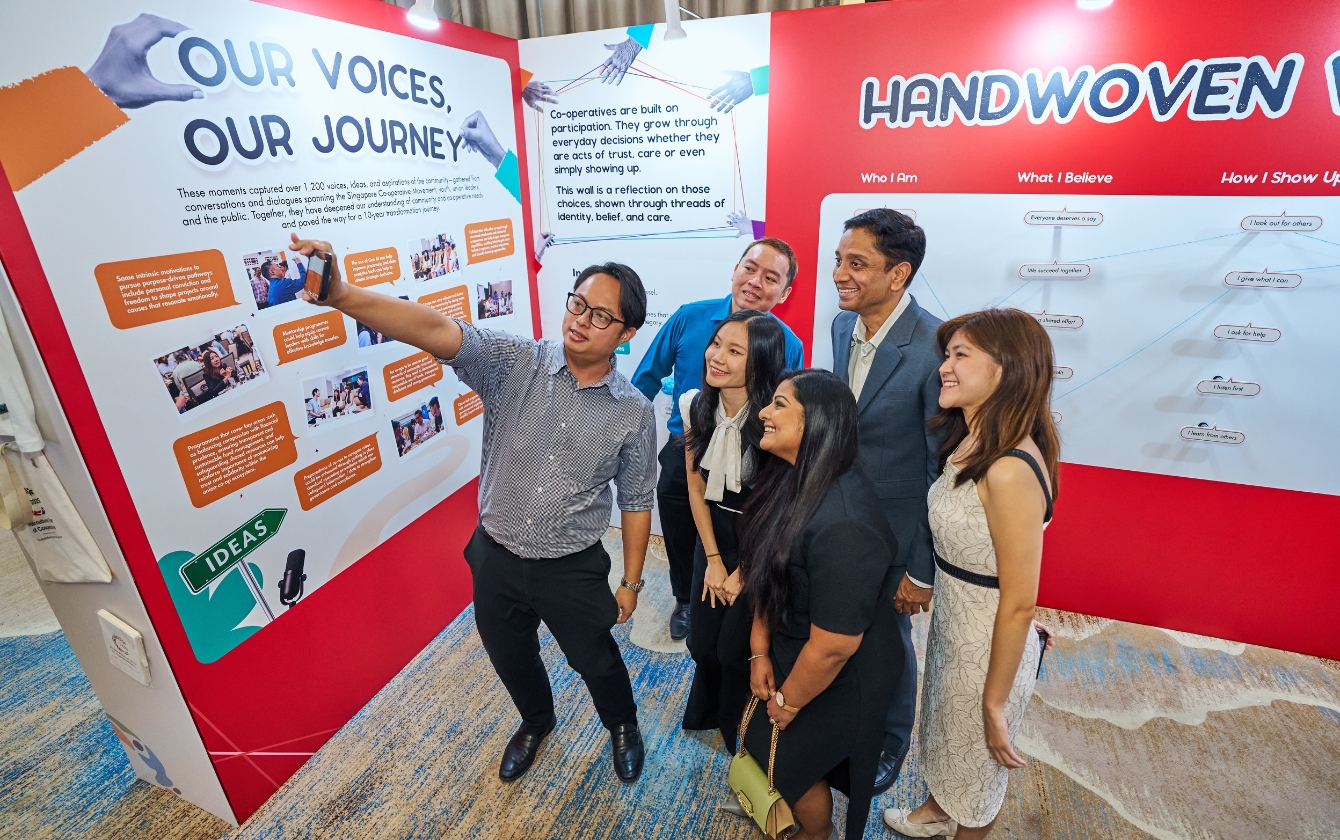
Have you had any personal encounters with co-operatives growing up that shaped how you view their role today?
My first memory of co-operatives came from my father, who was part of a co-operative during his police career. Beyond providing thrift and loan services, it was also a support network for officers like him, a close-knitted community of people who understood the unique challenges and sacrifices of the job and looked out for one another through thick and thin.
Seeing how the co-operative stood by my father and his colleagues taught me that co-operatives are more than just meeting material needs. They are about having each other’s backs through challenges and building a sense of belonging.
In an era where start-ups and social enterprises are gaining attention, what role do co-operatives continue to play in Singapore’s social fabric?
Start-ups, social enterprises and co-operatives each bring different strengths, but share common purpose: to innovate, create opportunities and contribute to Singapore’s social fabric in their own ways.
Co-operatives bring a distinct dimension by bringing people together around shared needs and collective solutions, strengthening community bonds while meeting practical needs. Their community ownership and flexibility allow them to respond to evolving needs while complementing the wider ecosystem of support in Singapore.
For example, Silver Caregivers Co-op supports caregivers in navigating care and community services, while SASCO Co-op has the Guardian Angel Project to place sensors in seniors’ homes to detect early behavioural changes. These are practical solutions that make a difference.
How is MCCY working to amplify the do-good spirit of co-operatives?
Through the SCM 10-year Transformation Roadmap, MCCY has committed up to $30 million over the next decade to bolster efforts in transforming the co-operative sector. It will strengthen co-ops in areas such as talent development, governance and operational efficiency. By empowering co-operatives in this way, we can amplify their impact and highlight the social role they continue to play in Singapore’s communities.
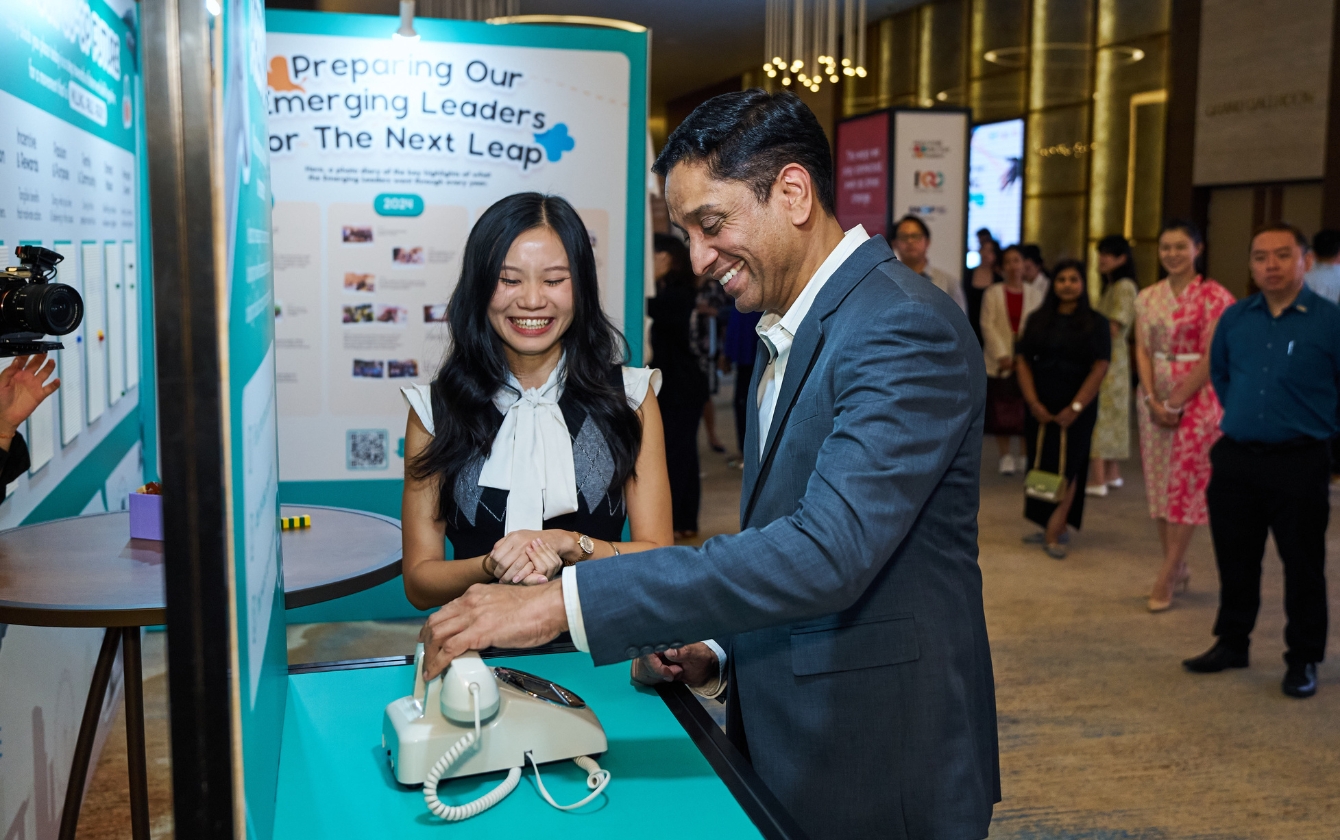
How can young Singaporeans realistically play a role in shaping the future of co-operatives?
From our SG Youth Plan engagements, we see that young Singaporeans want to contribute meaningfully to society. They value strong communities and connections, and want to be partners in shaping solutions.
It is important that co-operatives empower and provide space for them to contribute and shape what the Movement can become. Young Singaporeans bring fresh perspectives and skills, from digital fluency that helps co-ops engage members, to passion for causes such as sustainability or gig economy challenges.
They should have opportunities not just to participate in existing co-operatives but also to start new ones that respond to changing needs. The SCM 10-year Transformation Roadmap supports this through seed funding, incubation spaces, and mentorship from experienced co-operative leaders, helping youths build the skills, confidence, and networks to shape the next phase of the movement.
Looking ten years ahead, what would success for the Singapore Co-operative Movement look like to you?
I hope to see a co-operative movement that remains vibrant, relevant and responsive to evolving needs. One where co-operatives continue to innovate, engage younger Singaporeans and deepen their impact, while staying true to their values of mutual support and shared responsibility.
Seeing more Singaporeans recognise co-operatives as a practical way to come together and address shared challenges would be an encouraging sign of continued relevance.
Most importantly, a strong co-operative movement should continue to contribute to Singapore’s social compact. In an increasingly complex world, co-operatives create spaces where people can support one another and work towards shared goals, strengthening trust and collective responsibility that make our society even more resilient.
Our SCM 10-year Transformation Roadmap provides a framework to support this journey. But the future of the movement ultimately depends on the commitment, ideas, and leadership of co-operators. If that spirit continues to grow, I am confident the co-operative movement will remain a meaningful force for good in Singapore.
By Sng Ler Jun