
"We are in the co-op because we care and want to do good," Tines Anbarasan of A Good Space
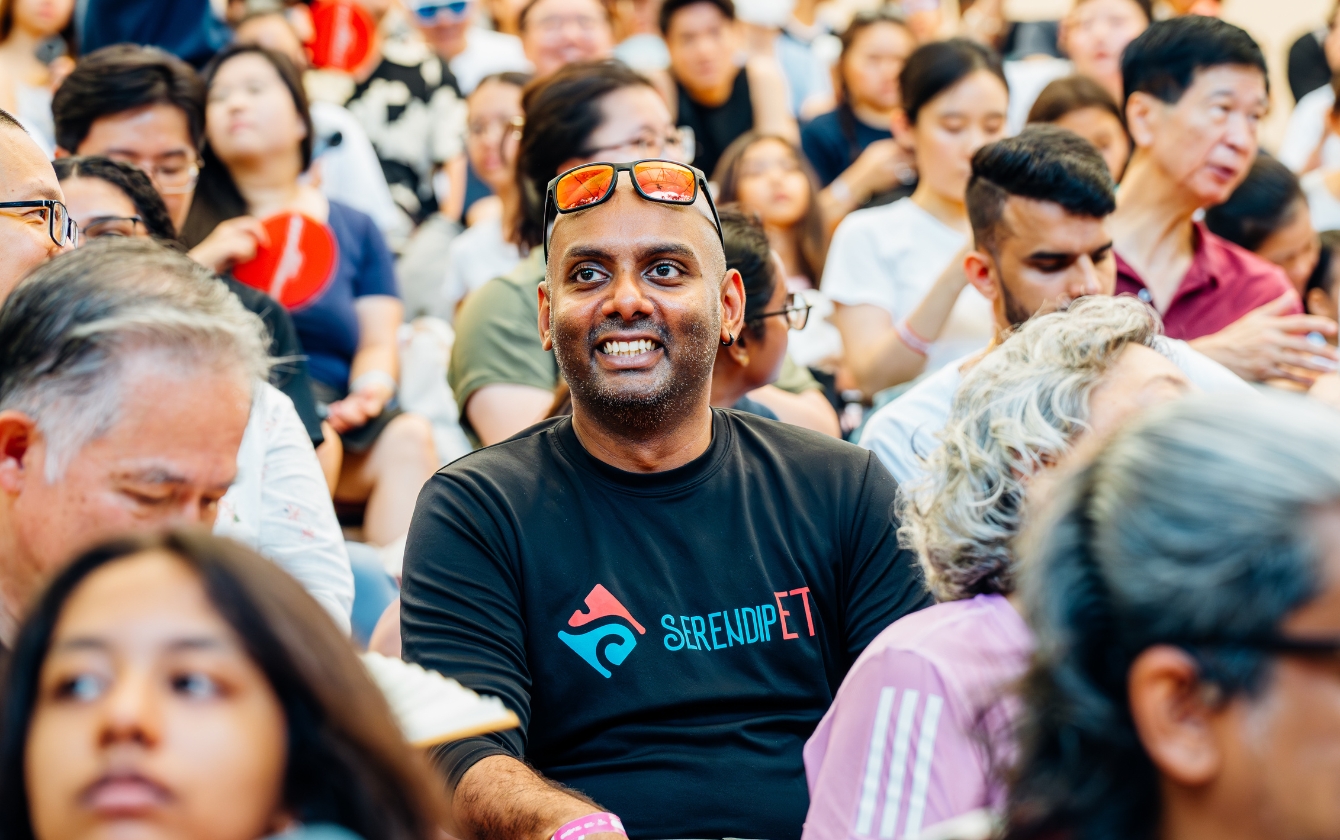
As a newly-elected chairperson of A Good Space Co-operative (A Good Space), Tines Anbarasan is helping the co-operative (co-op) answer a practical question: how can people who want to do good keep doing it, together?
Founded as a community of changemakers, A Good Space brings together people working across causes such as migrant worker welfare, mental wellness, youth development and inclusion. Today, Tines is helping the co-op strengthen its member offerings, explore new income streams and create a sustainable model for changemakers who often carry their work alongside day jobs.
Interestingly, A Good Space did not begin with a perfect plan to become a co-op.
How was A Good Space Co-operative formed?
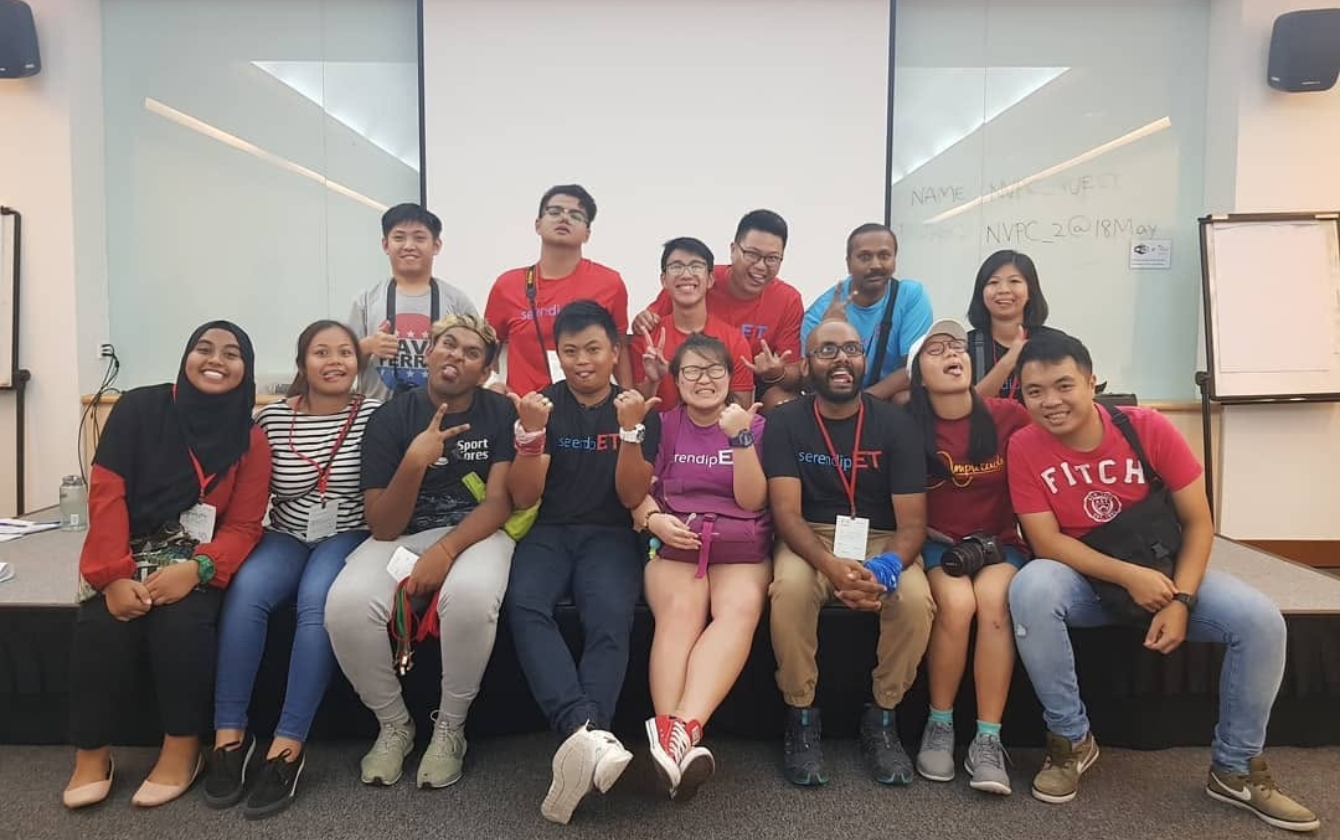
In 2019, when the funding for the start up under the National Volunteer & Philanthropy Centre was coming to an end, the group of changemakers had to decide what came next. By then, the team in charge had already built a network of people who cared about social issues. And yet, it needed a structure that could support collective ownership and long-term continuity.
On the table were the following options, private limited company, charity, or social enterprise. Then, one member suggested something else: a co-op.
Tines laughs when he recalls the moment. The suggestion had come from Ashokan Ramakrishnan, now one of A Good Space's key members, who had floated the idea even though he was still figuring out what it meant.
"Actually, I don't know. I just heard about it," Tines recalls Ramakrishnan saying when asked why he had proposed the model.
“(Ashokan) is a good disruptor,” Tines says, laughing. “We need disruptors in business. And so, we all went down that rabbit hole together.”
For Tines, the term was not entirely foreign. His father had served on the board of the Singapore Police Co-operative Society while in service with the Home Team Academy, and remains involved with Premier Security Co-operative. Still, it was only through A Good Space that he began to understand the co-operative model as a practical way for people to pool responsibility, resources and purpose.
That mattered because A Good Space was never built around one cause or one founder.
Doing Good during the Pandemic
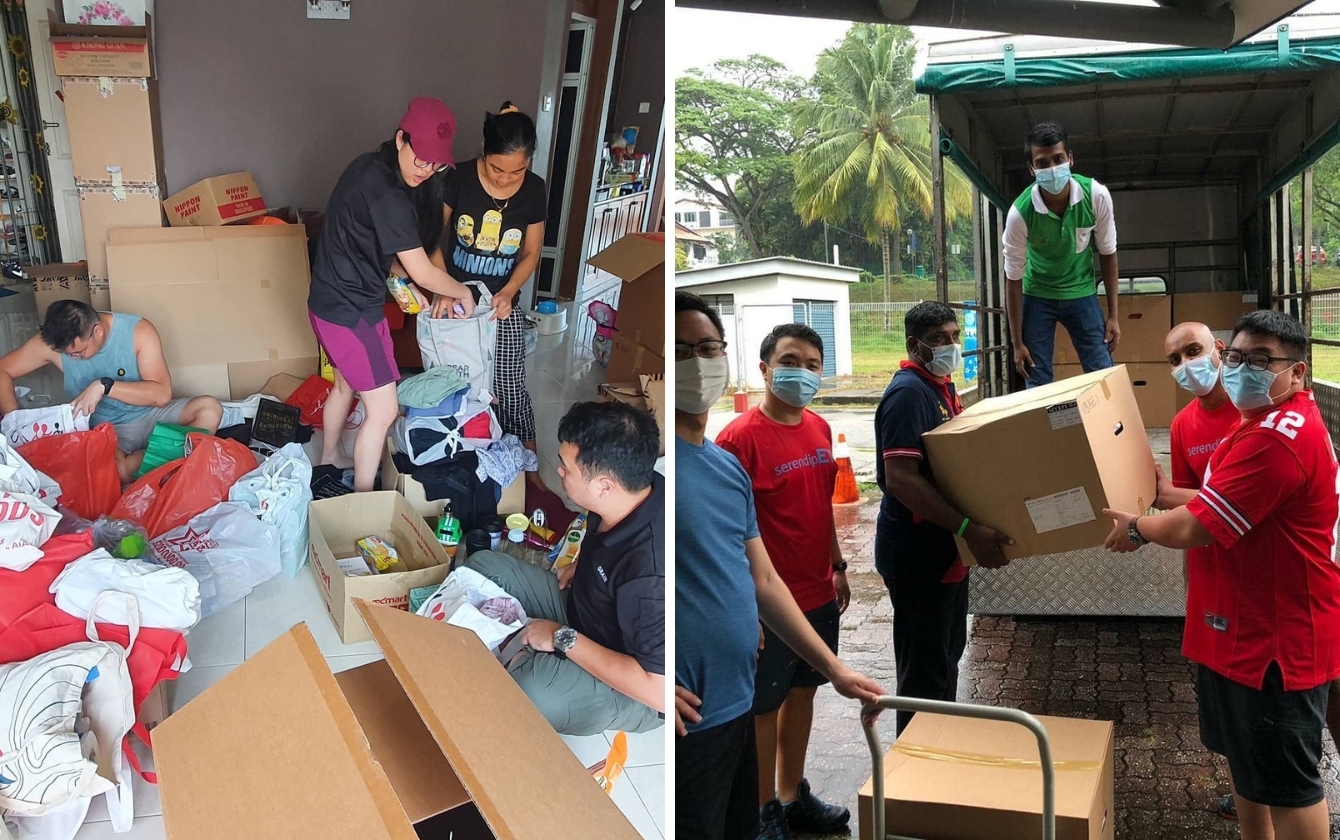
During the Covid-19 pandemic, its members came together quickly. Some helped residents in Ang Mo Kio understand how to access government support, test kits and masks. Others worked on the Gratitude Pack initiative for migrant workers, repurposing items from National Day packs into something useful.
The work was not simply about collecting and distributing goods. Members asked migrant workers what they needed before putting out a call to Singaporeans. When Tines discovered that some donated items had expired, members gathered at his mother's home to check thousands of bags by hand.
"My mum cooked for the team while we looked through all the bags," he says.
For him, that was the value of A Good Space. It connected people with different skills, causes and networks, then gave them a way to act.
"Everyone in A Good Space is in it because they care and they want to do good," he says. "If you want to do good, the amount of support and resources you can get from the wealth of knowledge in A Good Space is quite fantastic."
Social Entrepreneur at Heart
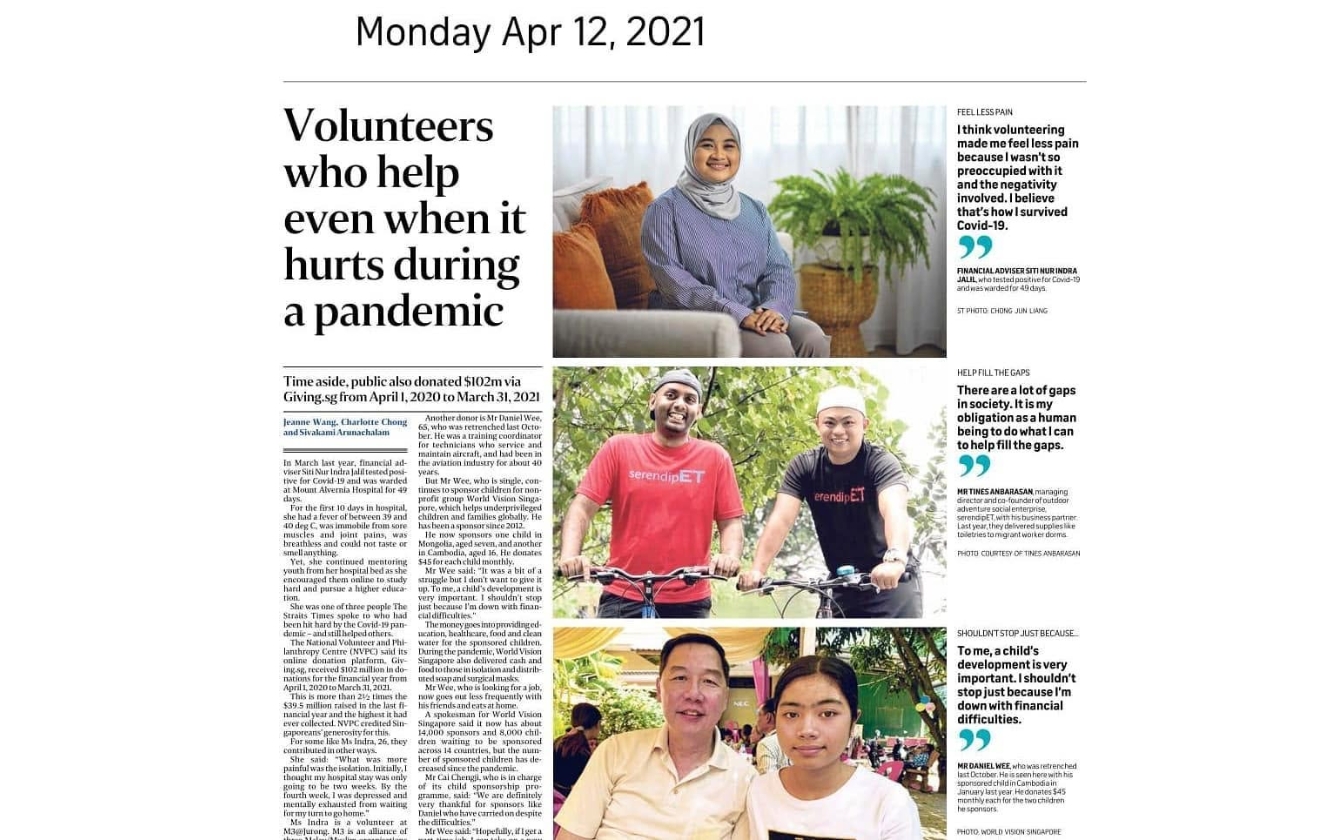
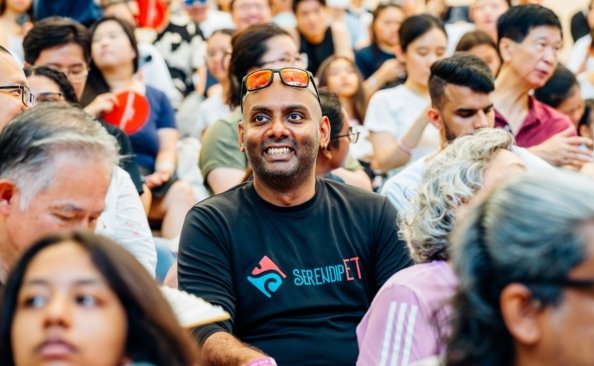
In his day job, he runs serendipET, a social enterprise that designs outdoor adventure, team-building and experiential learning programmes. His path there began after stints at the Singapore Zoo and an outdoor adventure company. At the latter, he saw what business could look like when profit came before people. Tines tried to change things from within, but eventually left to build something different.
He found his direction while running a camp for youth-at-risk. After watching the children push through tough conditions, he saw confidence on their faces.
"This is something that actually feeds my soul," he remembers thinking.
That same instinct carries into A Good Space. Tines knows changemakers need inspiration, but they also need structures that allow them to continue. Good intentions alone do not pay rent, organise workshops or keep a volunteer-run co-op moving.
"My short-term plan right now is to bring it to a point where we can sustain ourselves financially," he explains.
That means re-engaging older members, recruiting new ones and reviewing what A Good Space can offer members and the public. The co-op is considering a monthly membership model, paid workshops, B2B offerings and the use of members' spaces for meetings or events. Its work in focus group discussions, non-violent communication and community facilitation may also become stronger offerings.
The aim is not to commercialise the co-op for its own sake, but to reduce the pressure on members already volunteering their time.
A Good Space currently operates without full-time staff. Its members run much of the day-to-day work through a sociocracy model, where responsibilities are distributed through circles rather than held by one central leader. Besides sociocracy, NVC (non-verbal communication) is another pillar of the co-op.
These are what make A Good Space's co-operative identity meaningful. It is not just a network of good-hearted individuals. It is a group learning how to own, decide and build together.
As the co-op enters its next chapter, Tines is clear that A Good Space does not need to become a large organisation to matter. It needs to be useful, sustainable and honest about what changemakers need.
Sometimes that is a room. Sometimes it is a workshop. Sometimes it is someone who knows how to get a project off the ground. Most of all, it is the assurance that no changemaker has to figure it out alone.
By Sng Ler Jun
Faces of Co-operator is a seasonal column featuring the stories behind the Singapore Co-operative Movement. Here, we featured Tines Anbarasan from A Good Space Co-operative.