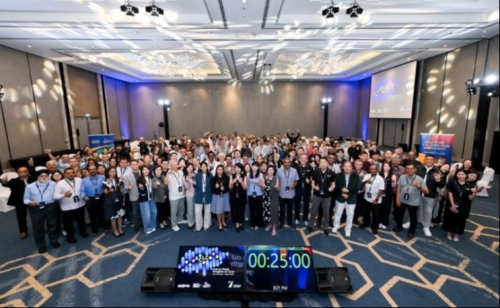

How do we look after our parents as they grow older, especially if they live alone? What happens to children with intellectual disabilities when they finish school? And how can we help those who have fallen on hard times get back on their feet?
These are questions that some of Singapore’s co-operatives (co-ops) have been grappling with over the past two years, drawing on their expertise, resources and networks to develop solutions of their own.
With the conclusion of the $1 million Empowering Communities Fund (ECF) funding exercise, more than $860,000 has been committed to 19 projects spearheaded by 16 co-ops. These projects are expected to have benefitted some 1,900 individuals, including seniors, single mothers, and children with developmental needs.
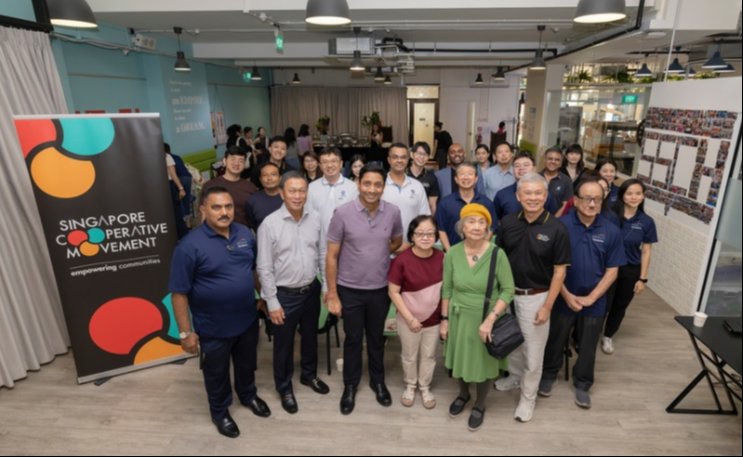
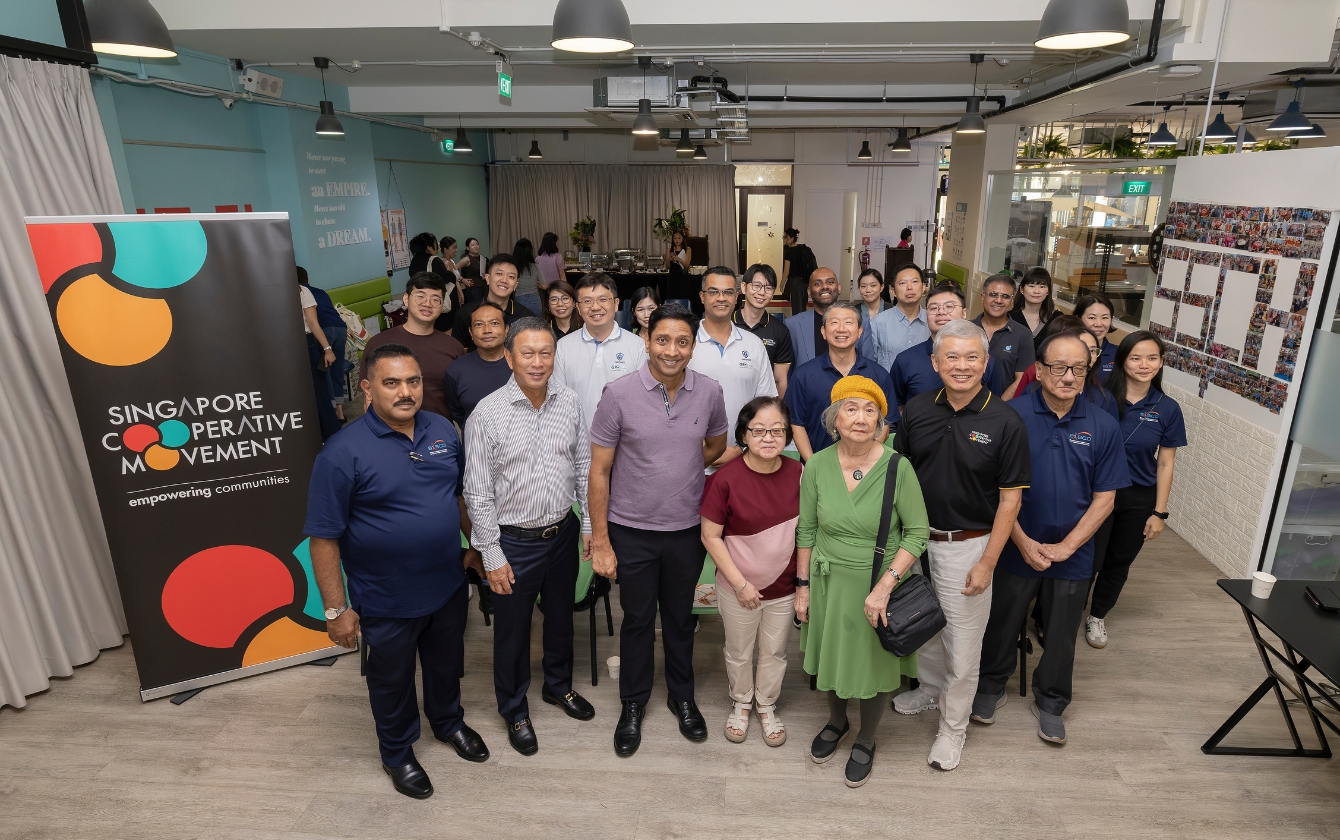
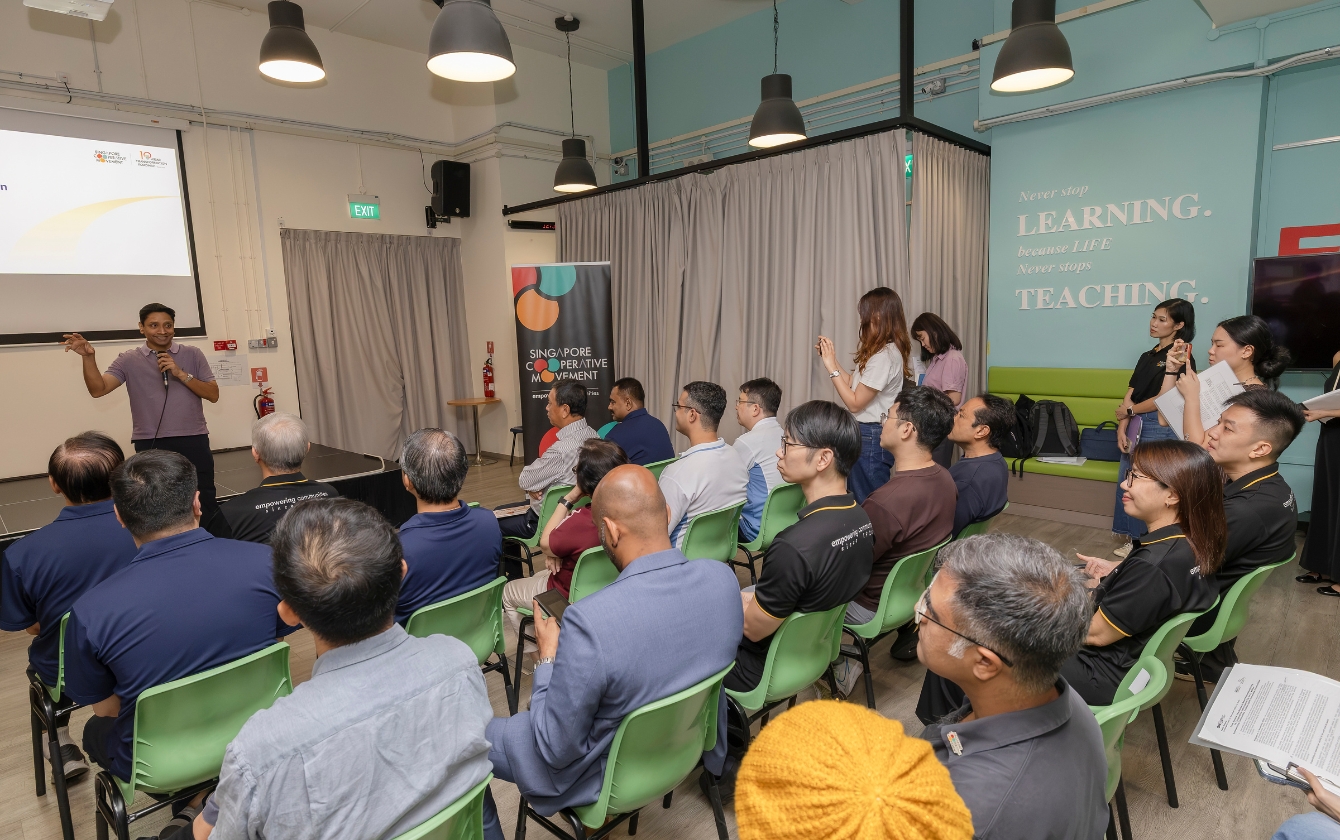
The figures were shared at a learning journey organised by the Singapore National Co-operative Federation (SNCF) at SASCO@Khatib on November 16, 2026.
Minister of State for Culture, Community and Youth Dinesh Vasu Dash attended the event, which brought together more than 30 co-operators, community partners and beneficiaries.
Speaking at the event, Mr Dinesh said that while the contributions of co-ops may not always be apparent to the public, they have evolved over the years to serve the changing needs of society.
Launched in 2025 as part of the Singapore Co-operative Movement’s centenary celebrations, the ECF was jointly established by SNCF and the Ministry of Culture, Community and Youth, with funding support from the Central Co-operative Fund, the Government and the Singapore Labour Foundation.
Co-ops could apply for grants of up to $25,000 for self-initiated projects or $75,000 for collaborations between co-ops, with funding covering up to 100 per cent of project costs under both categories. Those partnering external organisations could receive up to $100,000, with funding covering up to 80 per cent of project costs.
Among the beneficiaries Mr Dinesh met was freelance financial adviser Violet Toh, 64, who lives alone in a three-room flat in Khatib.
Having fainted twice at home, Ms Toh now has the assurance of a team keeping tabs on her through Guardian Angel, a home monitoring initiative by the Singapore Amalgamated Services Co-operative Organisation (SASCO).
“If anything happens to me, at least I know there is a team out there helping me,” she says.
Piloted in November 2024, the initiative first benefits 50 seniors living alone and uses sensors installed in seniors’ homes to track their daily routines. Changes in sleeping or activity patterns can alert nursing staff to potential health concerns, allowing for intervention before an emergency arises.
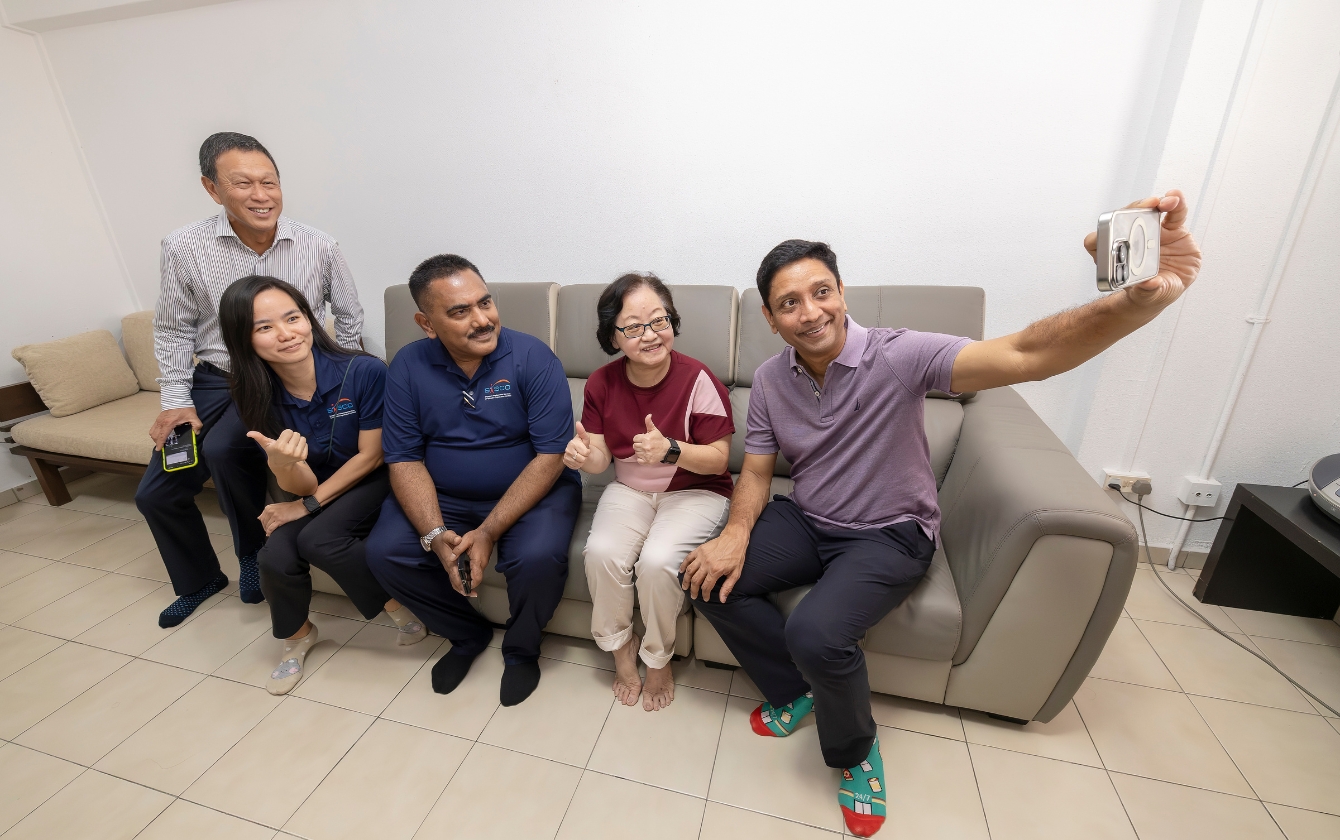
With some $25,000 in ECF funding, SASCO extended the initiative to another 13 households across neighbourhoods across Khatib, Compassvale and West Coast.
The service is free during its two-year pilot, with SASCO exploring partnerships to keep it affordable thereafter.
Mr Dinesh, who previously helmed the Agency for Integrated Care as its chief executive officer, noted that getting seniors to participate in such initiatives could sometimes be more challenging than developing the technology itself.
“Often it’s not the technology; it’s the conversation and the convincing them to be part of the programme,” he said, adding that there was no one-size-fits-all approach to engaging seniors.
Singapore has recently become a super-aged society, with more 21.4 per cent of Singaporeans aged 65 and older. This data is up from 20.7 per cent in 2025 and 13.7 per cent a decade ago, underscoring a growing need for community-based eldercare and support.
Ms Sia See Moi, 82, one of the 13 additional beneficiaries, is appreciative of the SASCO's Guardian Angel project. "It is an add-on with the Pull-for-Help system that is already installed in my home. There is even a sensor on the rice cooker," said Mdm Sia, who requires a mobility aid when traversing outdoors. "[The sensors] remind me to be careful when I am moving around on my own."
In another case, reaching individuals who might otherwise fall through the cracks of existing support systems was also a consideration for GP+ Co-operative.
Established in 2018 by a group of doctors, the co-op tapped its network of healthcare professionals to address the prevalence of hepatitis C among residents of halfway houses.
Although the disease is highly curable with a 12-week course of oral medication, financial constraints, social stigma and a lack of awareness remain barriers to treatment.
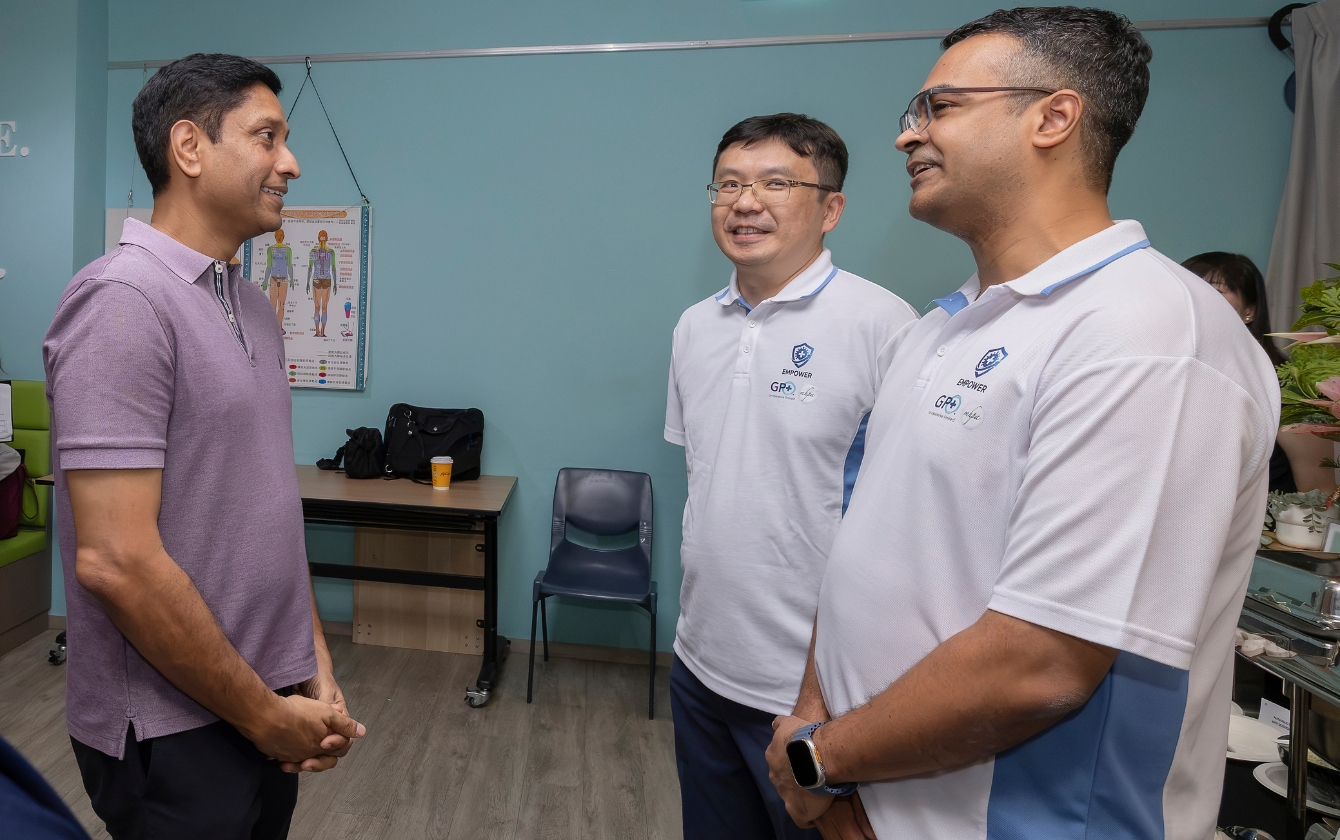
Through its Community HCV Complete Care Project, doctors brought screening, treatment and follow-up care directly to these residents, removing the need for complex hospital referrals.
“Typically, a patient will have to be referred to the hospital for myriad reasons several visits, including several rounds of blood testings and follow-ups. What we have done is to cut short the process,” said Dr Aziz Noordin, chairperson of GP+ Co-operative.
Across 10 sessions, 156 residents have been screened and of whom, 37 had been exposed to hepatitis C. Of these, 15 had active infections, with 11 subsequently receiving treatment for hepatitis C without leaving the halfway house. GP+’s ECF project also covered screening for chronic conditions such as diabetes and hypertension.
“After the relevant tests, our doctors explained the results and we were even able conduct treatment on site for those who needed them,” said Dr Aziz.
While some co-ops focused on physical well-being, others sought to address loneliness and social isolation.
A Good Space Co-operative received about $100,000 in ECF funding for two separate projects. Its Good Neighbours initiative involved resident-led neighbourhood walks and informal gatherings, where neighbours discussed how they could offer companionship and practical assistance to one another.
Through another initiative, Good Stories, the co-op partnered Tzu-Chi Foundation (Singapore) to help 100 seniors document their life experiences using artificial intelligence, with assistance from 50 trained volunteers known as Memory Guides.
Among the participants was retired teacher Judith Tan, 82, whose 95-page autobiography recounts difficult periods in her life, including her divorce. She intends to pass copies of the book to her three children, hoping they can learn from her experiences.
“You don’t want to show sympathy; you want to show empathy,” said Mr Dinesh, who encouraged people to recognise the wealth of experience seniors possess, particularly as their social circles shrink with age.
He also observed that technology featured in all three co-ops’ work, from home monitoring and healthcare data analysis to AI-assisted storytelling, freeing people to focus on building human connections.
SNCF chief executive officer Ang Hin Kee said the experiences gained from the ECF would inform subsequent community outreach efforts under the Singapore Co-operative Movement’s 10-year Transformation Roadmap.
These include encouraging more partnerships with community organisations and creating opportunities for younger Singaporeans to participate in the Movement.
Mr Dinesh, who is also Mayor of Southeast District, expressed interest in exploring how some of the projects could be replicated across the district’s constituencies.
He said: “I think these [ECF projects] are very good startup ideas. We now need to think of the next step to then scale.”
By Sng Ler Jun