
ACLC 2026 Speakers Highlight: Elenita San Roque of ACCU on Stewardship
What does it take to build stronger co-operatives for the future? At the Annual Co-operative Leaders’ Conference (ACLC) 2026, co-operative leaders and practitioners will come together to exchange ideas on growing their people, strengthening their organisations and creating greater impact.
Taking place in Bangkok, Thailand, ACLC 2026 brings together perspectives from Singapore and the region, with speakers sharing practical insights, experiences and lessons that co-operative leaders can bring back to their own organisations.
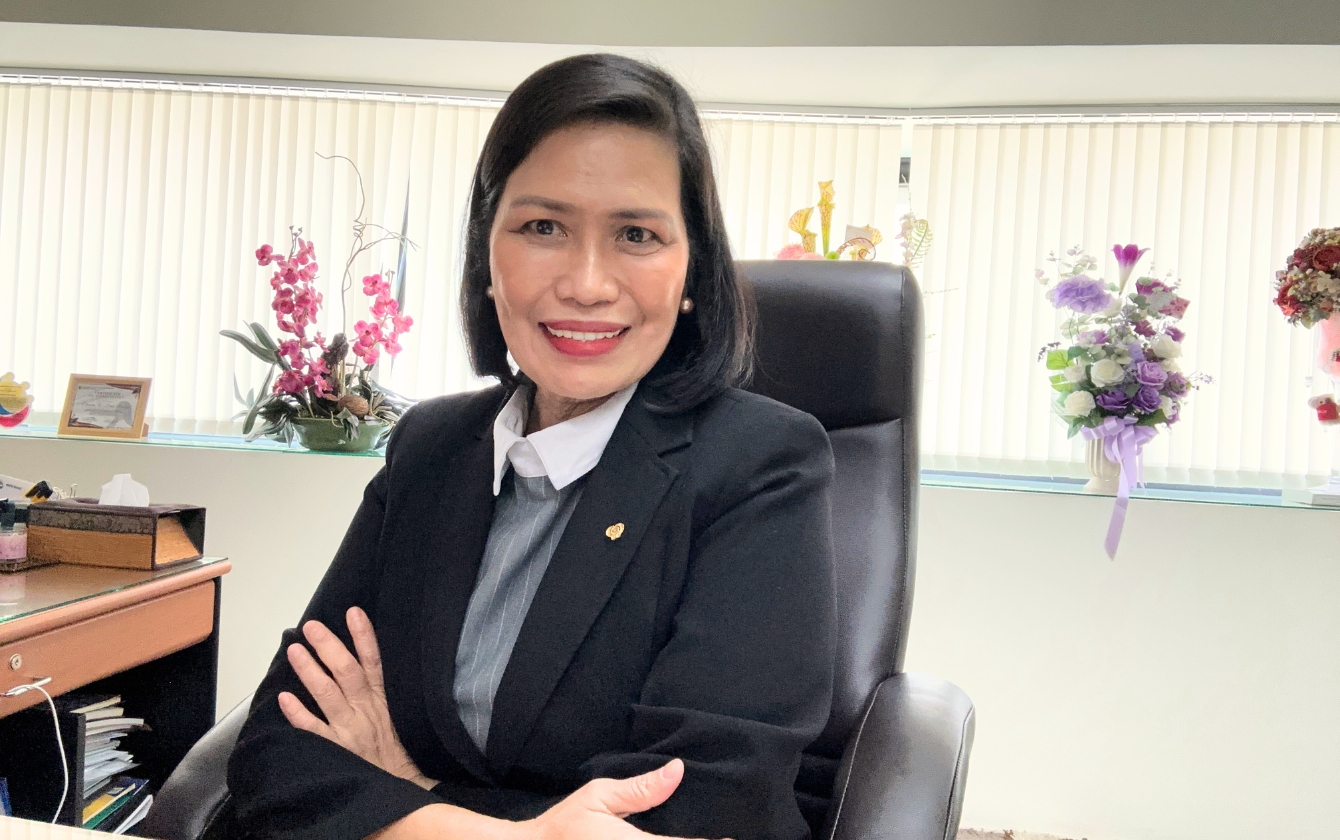
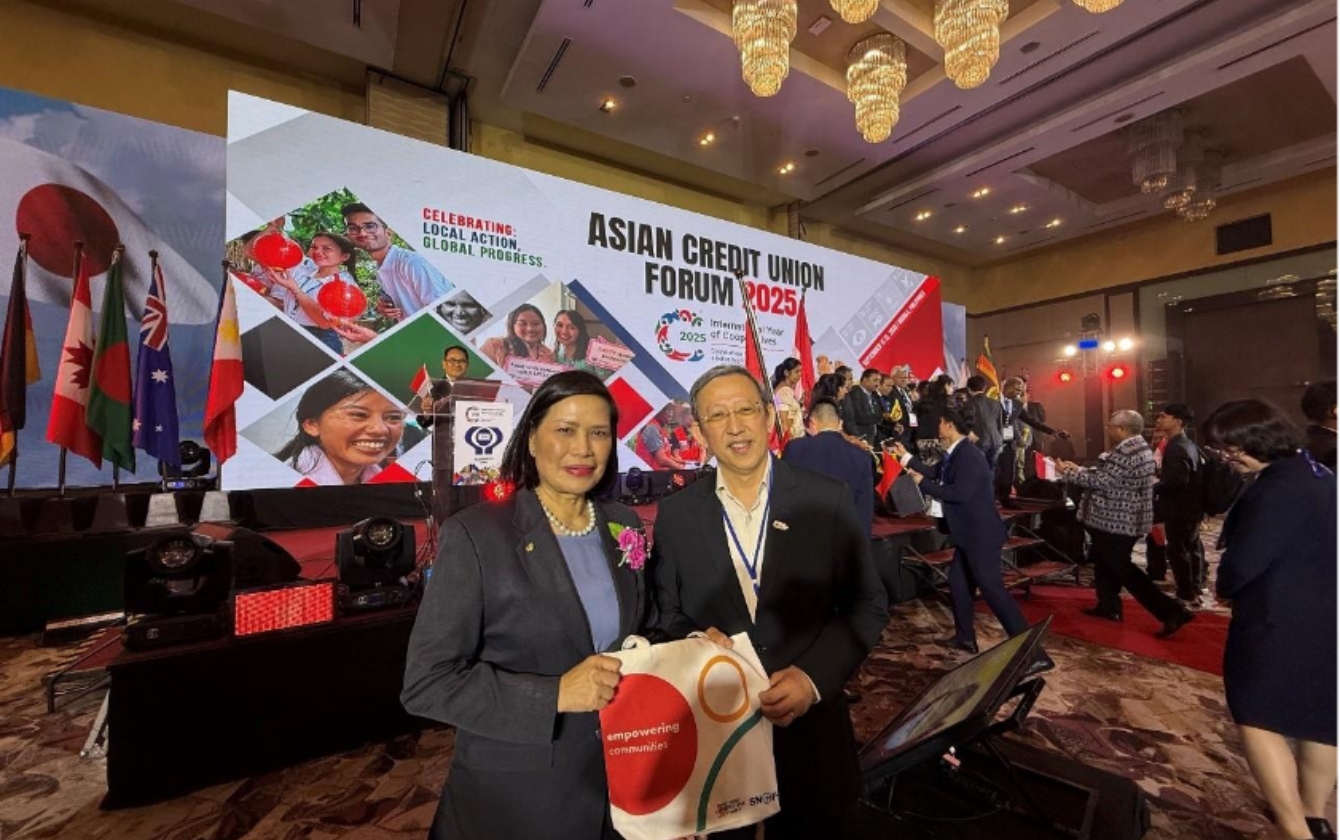
Ahead of the conference, we caught up with Elenita San Roque, also the chief executive officer of the Asian Confederation of Credit Unions (ACCU) to find out more about her perspective, what co-operative leaders can learn from the session, and what she hopes participants will take away from ACLC 2026.
Why is stewardship and meaningful member engagement so vital for co-operative leaders today?
Because a co-operative is not owned in the way a company is owned, it is held in trust. F.W. Raiffeisen, the founder of credit unions, understood this from the beginning: the institution is only a means, and the members are the end. A leader who forgets that begins to manage a balance sheet instead of tending a movement.
What makes this especially urgent now is that the pressures pushing co-operatives to resemble commercial institutions have never been stronger. Fintech competitors, banks with deeper pockets, tightening regulations, and industry consolidation all reward scale and speed. It is tempting to chase those metrics and quietly lose the one thing no competitor can ever copy, which is a member who is the owner, not a customer. When members act only as customers, the co-operative has already lost its reason for existing, even if the numbers still look healthy.
Stewardship is the discipline that guards against that drift. Engagement is the practice that keeps members owners, not just on paper. Across Asia’s 50 million members, the credit unions that thrive are not necessarily the largest, but the ones whose members still feel the institution belongs to them.
What have you learnt from your own experience of putting stewardship into practice?
From my own experience, I have learnt that stewardship requires deep self‑discipline. Saying no to growth that would compromise identity is harder than saying yes, yet it is the truest test of leadership. I have also learnt that values written on a wall accomplish nothing by themselves. Stewardship must be woven into policy, governance, and measurement. Mission alignment checks, board oversight that asks about purpose as well as performance, and systems that hold leaders accountable to values are what keep it alive.
I have learnt that the true stewards are those whose personal purpose in life is aligned with the co-operative’s purpose. They are the people who do not think first of themselves, but of the betterment of others and that is their members, their fellow board members, and the employees who serve within credit unions. For them, service is not an obligation but the key to leadership. It is the compass that keeps identity intact and ensures the cooperative remains a movement, not merely an institution.
I have also learnt that this may sound too ideological, yet I have met people who carry the highest level of desire in their lives. Even the younger generations, searching for meaning in a divided world, can discover it in service to cooperatives. Because when you serve the cooperative, you serve the people who own it and depend on it.
Finally, stewardship has taught me humility. The movement is older and larger than any of us. I measure my work not by what grew while I was here, but by what will still stand and remain true to its purpose, long after I am gone
What is one idea or perspective about stewardship that you hope co-operative leaders will challenge or rethink?
The comfortable idea that stewardship means preservation: protecting what exists, keeping things as they are. That reading turns leaders into caretakers of a museum, and it is often just caution wearing a respectable name.
A living institution is not preserved by being left untouched; it is preserved by being adapted so it can keep serving. Real stewardship is active, sometimes uncomfortable, sometimes bold. Being accountable to the future can require changing structures, technology, and habits that an earlier generation held dear. Loyalty is owed to the members and their purpose, not to the form the co-operative happened to take twenty years ago.
I would also ask leaders to challenge the quiet assumption that bigger is automatically better and that the asset size and member counts are the scoreboard. They are indicators, not the goal. A co-operative can grow large and hollow. Stewardship asks a harder question: growing toward what, and for whom?
At ACLC 2026, what is one idea or action that you hope participants will take away and apply in their own co-operatives?
One question to carry home: Are our members treated as owners, or as customers? And then to look honestly at the evidence, not the intention. Where do members decide, participate, and benefit as owners, and where have we quietly reduced them to account holders?
The action I hope for is that each participant chooses one concrete practice to change within their first month back, not a strategy document, one practice. It might be a mission-alignment check applied to every major board decision, a deliberate step to bring younger members into governance, or a single measure of member engagement added alongside the financial ones.
Stewardship becomes real at the level of what we do differently on Monday morning. If they leave with the conviction that their first duty is to hand the co-operative to the next generation stronger and truer than they found it, and with one specific act to begin that, the session will have done its work.
Catch Elenita San Roque in her keynote sharing at ACLC 2026.
By Sng Ler Jun