
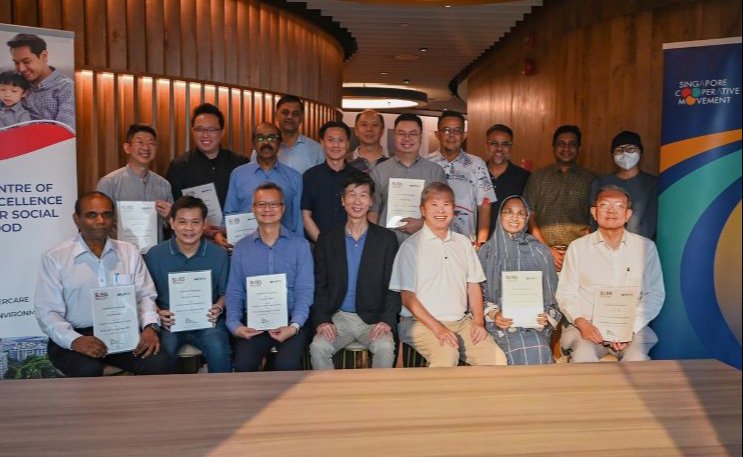
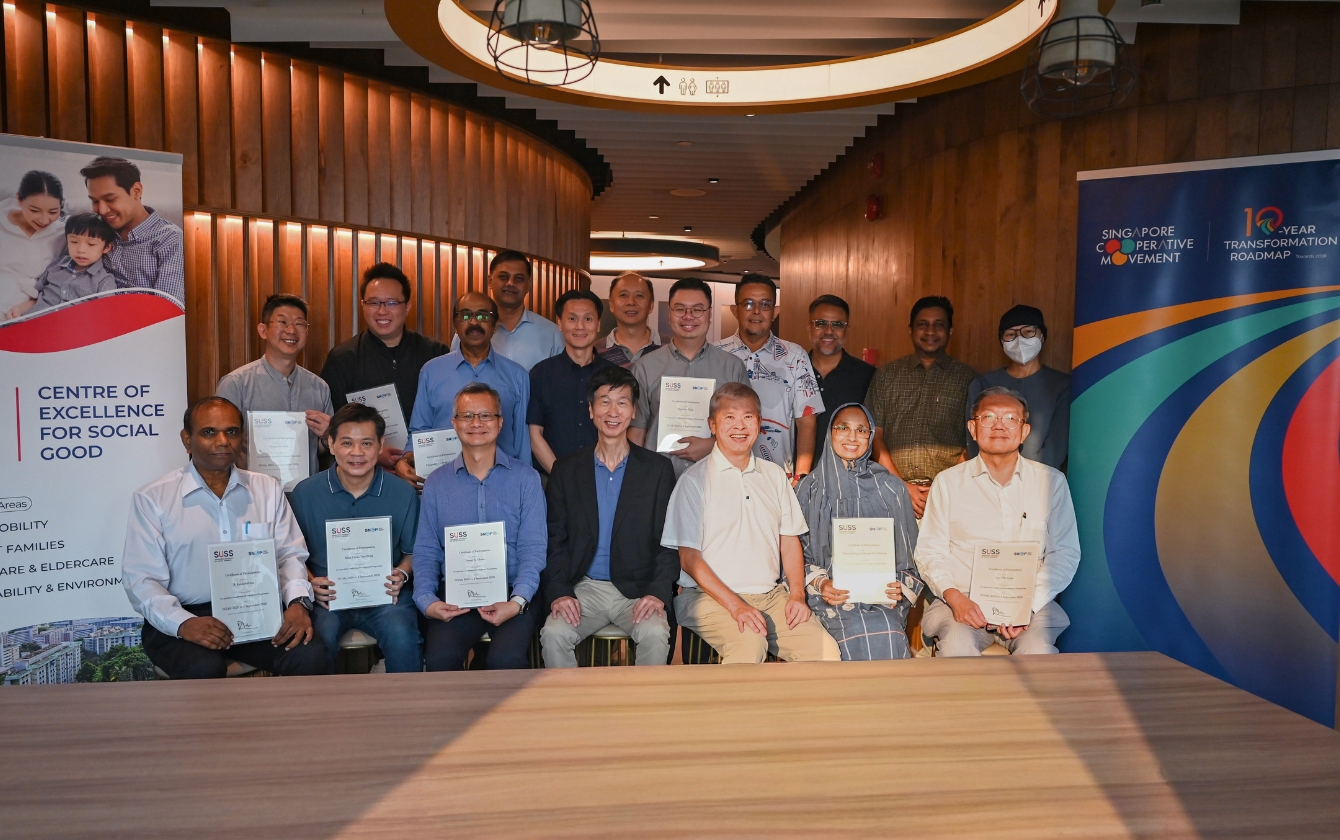
Following the Global Co-operative Executive Masterclass in Manchester, the pioneer cohort of the Co-operative Leaders Programme (CLP) continued their learning closer to home through a specially designed Co-operative Leadership Development Programme (CLDP). CLDP is developed by the Singapore University of Social Sciences (SUSS) Centre of Excellence for Social Good in partnership with the Singapore National Co-operative Federation (SNCF).
While the Manchester programme explored the “why” of co-operative (co-op) by reconnecting participants with its roots, purpose and global perspectives, the local programme shifted the focus to the “How”: what does it take to put this purpose into practice when leading a co-op in Singapore?
The classes provided the platform for participants to delve into 7 dimensions of co-op excellence: Leadership, Process, People, Technology, Members and Results. Through practical frameworks, case discussions and peer sharing, they were encouraged to look at familiar challenges with fresh eyes and consider how different approaches could be applied to tackle them.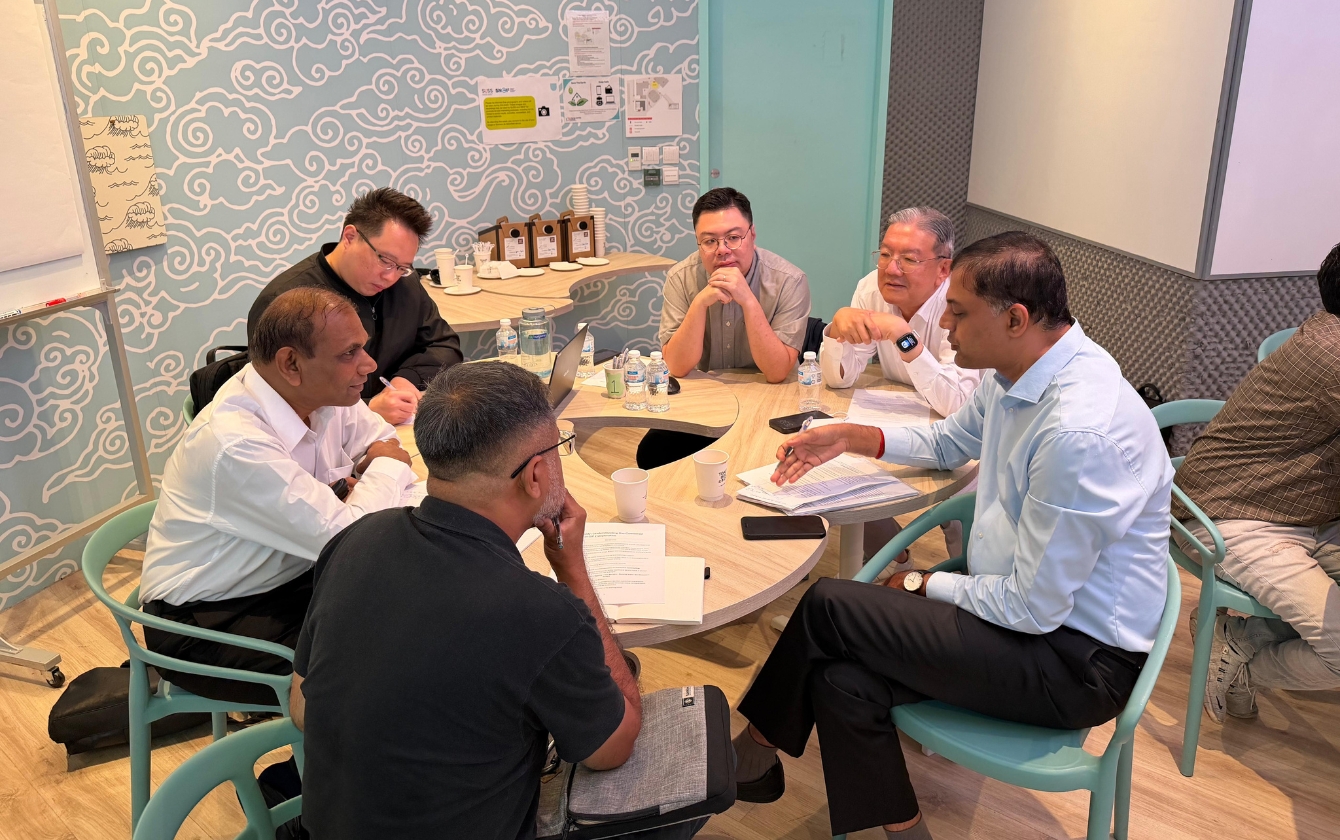
Participants get to hear fresh perspectives from different leaders
From Customers to Co-owners: Rethinking the Member Relationship
One of the most thought-provoking discussions centred on a simple question: Are our members behaving like customers or co-owners?
Unlike conventional businesses, the relationship between a co-op and its members goes beyond providing a good product or service. Members are also owners with a stake in the co-op and play a role in shaping its future.
The discussions prompted participants to reflect on how their co-ops could foster a stronger sense of ownership, belonging and shared responsibility among members.
“The key takeaway is not to treat members as customers. If we can shift that mindset, everything else should fall into place collectively,” said Dennis Ramesh from Singapore Prison Service Multi-purpose Co-operative Society Limited
For many co-ops, the biggest opportunity lies in building member relationships that go beyond transactions and towards one that is deeply rooted in participation, contribution and ownership. After all, strong co-ops are not built by serving members alone, but empowering members to play an active role in the co-op they collectively own.
Learning From Shared Experiences, Grounded in Fundamentals
Not every challenge calls for a new framework or a revolutionary solution. Sometimes, it helps to revisit the fundamentals and take a fresh look at issues that may have been overlooked amid the demands of day-to-day operations.
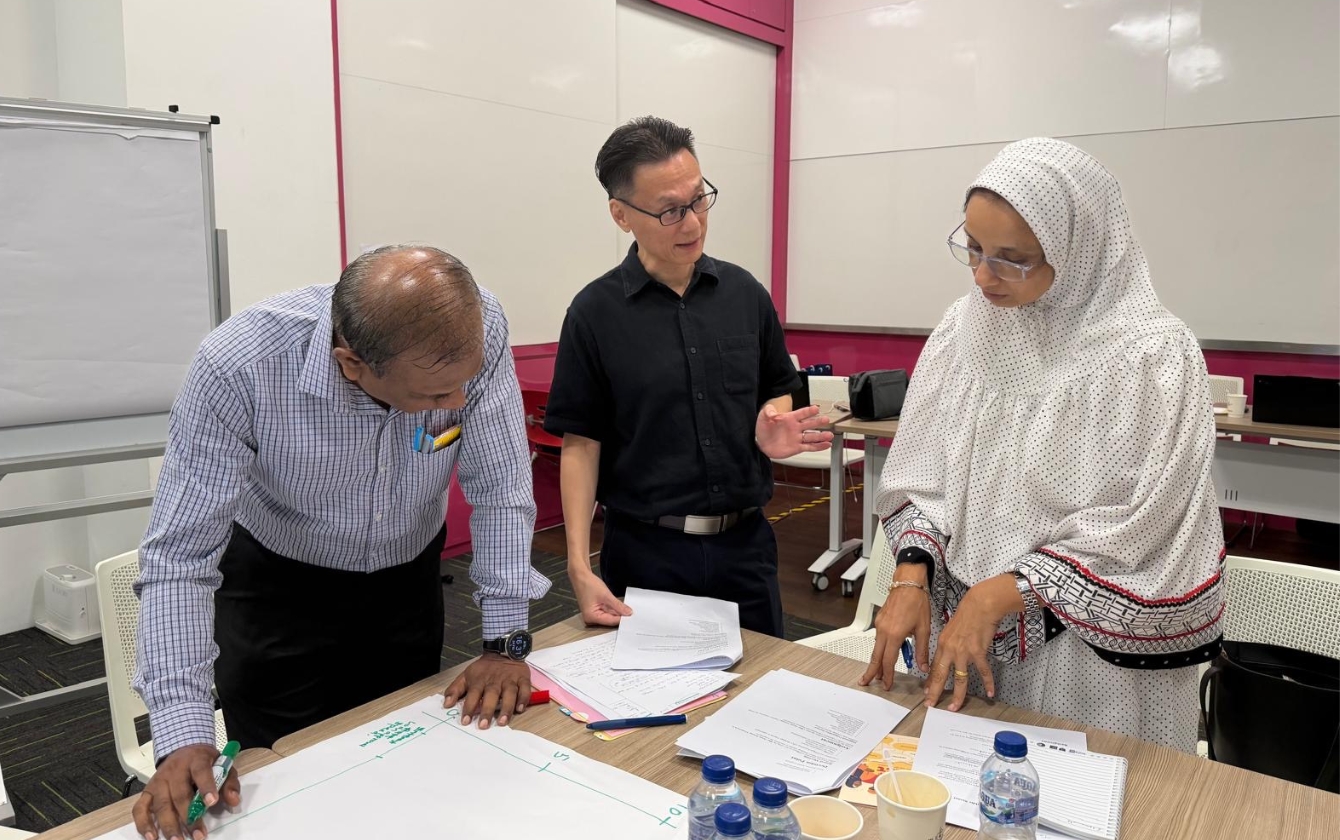 CLP participants worked through case discussions inspired by real co-ops and common challenges
Across the five sessions, participants had the space to step back, unpack longstanding challenges and hear how fellow co-operators approached similar issues. also gave them a more structured way to think through challenges, rather than relying on intuition or experience alone. Leaders may know where they want to go, but structured thinking can help uncover what is standing in the way and provide a clearer starting point.
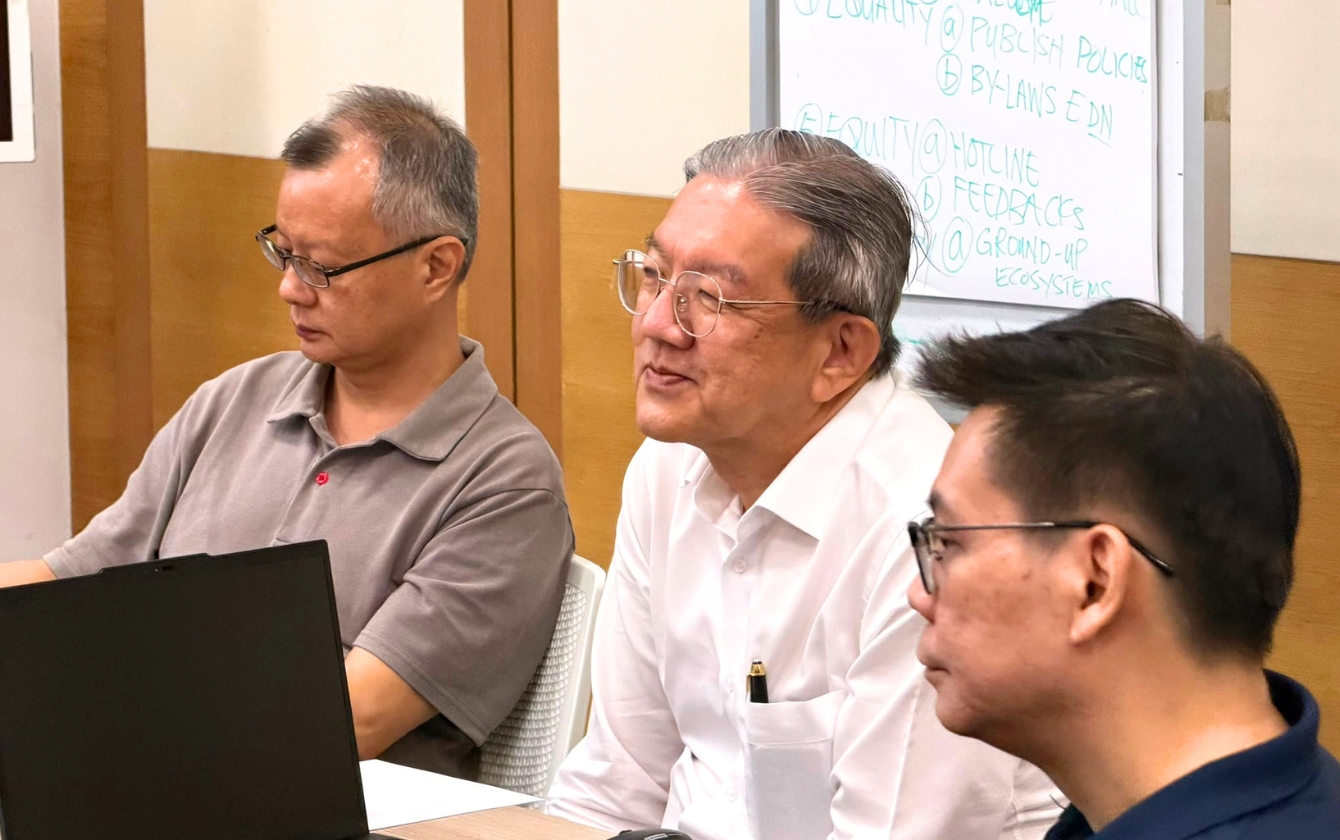 Centre: CLP participant Dr Lee Yik Voon, Advisor of GP+ Co-operative
Dr Lee Yik Voon from GP+ Co-operative reflected, “Expectations are usually explicit, but gaps are often invisible until you deliberately look for them. Learning ways to discover that gap is a discipline, not a personality trait. It is empowering because it means any leader can practise it.”
That discipline remains useful regardless of how experienced a leader is. By identifying the gaps more clearly, leaders can also be more deliberate about where to focus their finite time, energy and resources.
We are Stronger Together
Co-ops may not always have the size or resources to compete head-on with larger organisations. Fortunately for us, scale is not the only way to build strength. The co-op model presents us with a different opportunity, which is the ability to work together.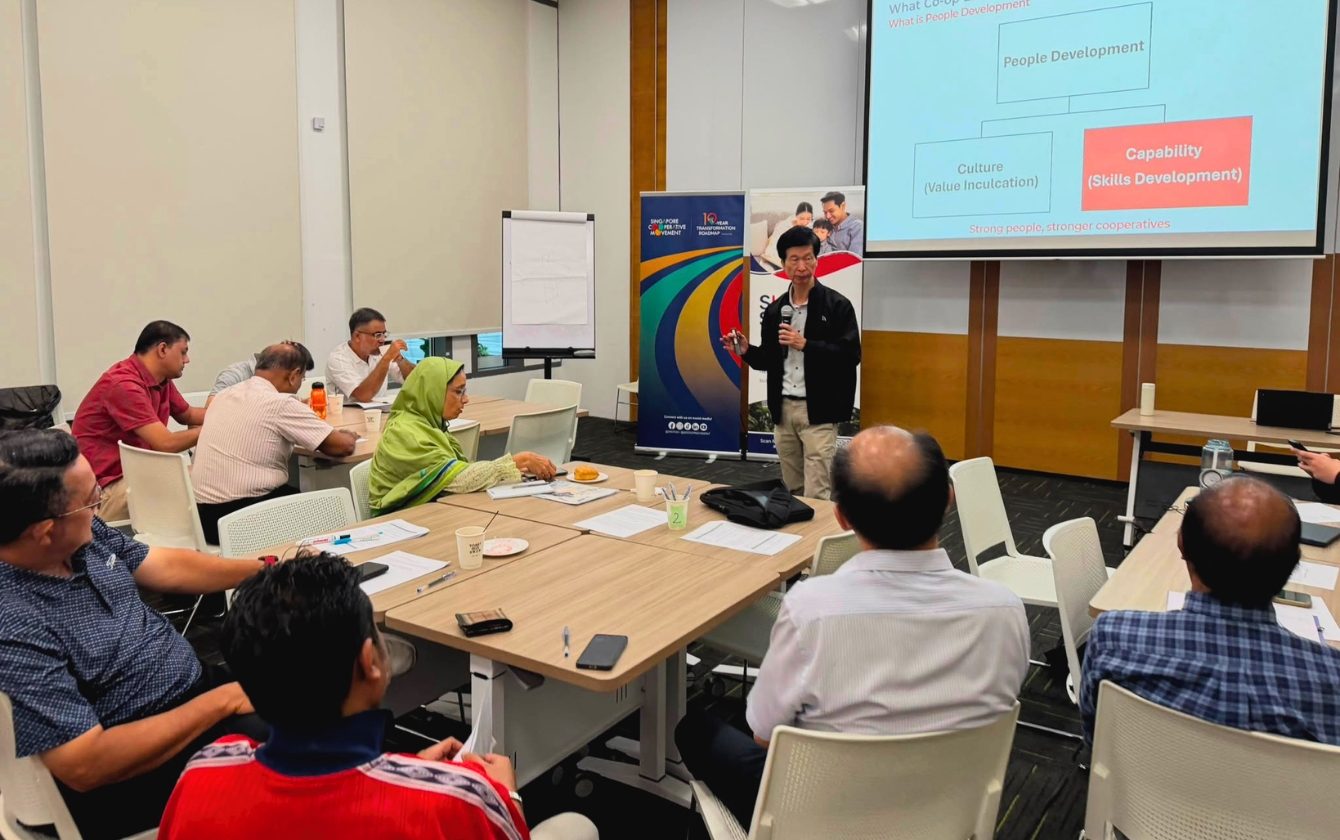
Professor Ang Hak Seng, Director of the Centre of Excellence for Social Good at SUSS
As Professor Ang Hak Seng puts it, “The unique strength and value of co-ops is our solidarity.”
Rather than asking how each co-op can do more on its own, participants were urged to consider another perspective: What becomes possible when we stop trying to solve everything on our own?
This idea resonated especially with co-ops that currently lack economies of scale but has the potential to do more.
Tasneem Basrai from Silver Caregivers Co-operative shared, “Being part of a bigger Movement gives to bring their respective co-ops to the next level.” She added, “CLP deepened my appreciation for the co-op movement and provided valuable opportunities to learn from fellow co-op leaders, fostering stronger collaboration and knowledge sharing across the sector.”
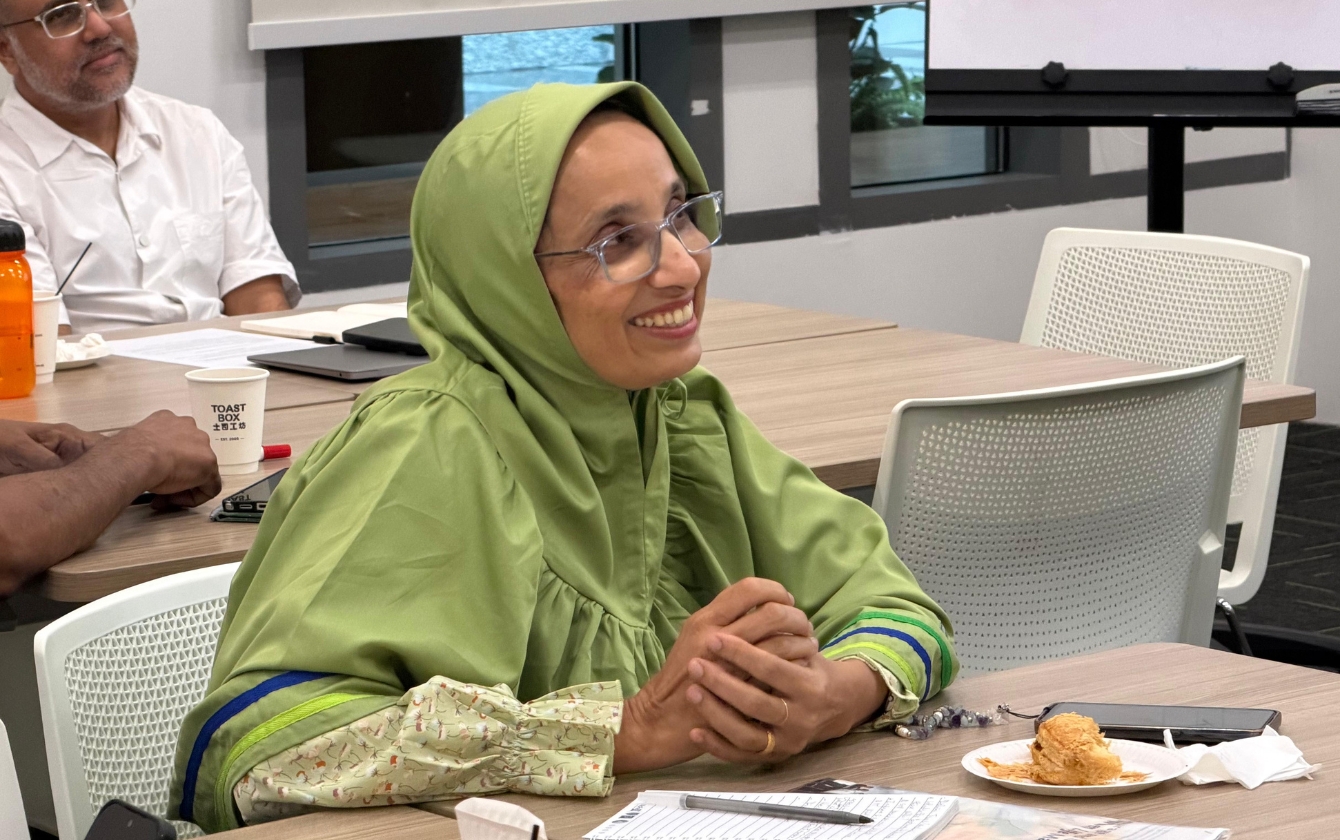
CLP participant Tasneem Basrai, Chairperson of Silver Caregivers Co-operative
By pooling resources, capabilities and collective know-how around a common desire to better serve members and communities, what may be difficult for one co-op to achieve alone, can now be achieved together. Solidarity then goes beyond being just a co-op value, but a practical way to unlock new possibilities for many.
From Insight to Action
Participants reflected on how they could bring their learning back to their co-ops.
Their responses were varied. For some, the next step was about strengthening their own co-op, including reviewing processes and ways of working across teams. Others wanted to bring members closer to the co-op by rethinking the member experience, strengthening engagement and creating a greater sense of ownership.
Some were looking forward to leveraging AI and digital transformation while others saw opportunities to collaborate across the Movement.
Many participants left with greater clarity on what mattered to them as co-op leaders and how they wanted to move forward. For some, this also meant thinking beyond immediate priorities and recognising their broader responsibilities as Stewards of the Movement.
R Kalaichelvan from TRC Multi-purpose Co-operative reflected, “The members have trusted us with their co-op journey, and we must do justice to that trust. I now think more about the long term and what we leave for the next generation.”
Learning Does Not Stop Here
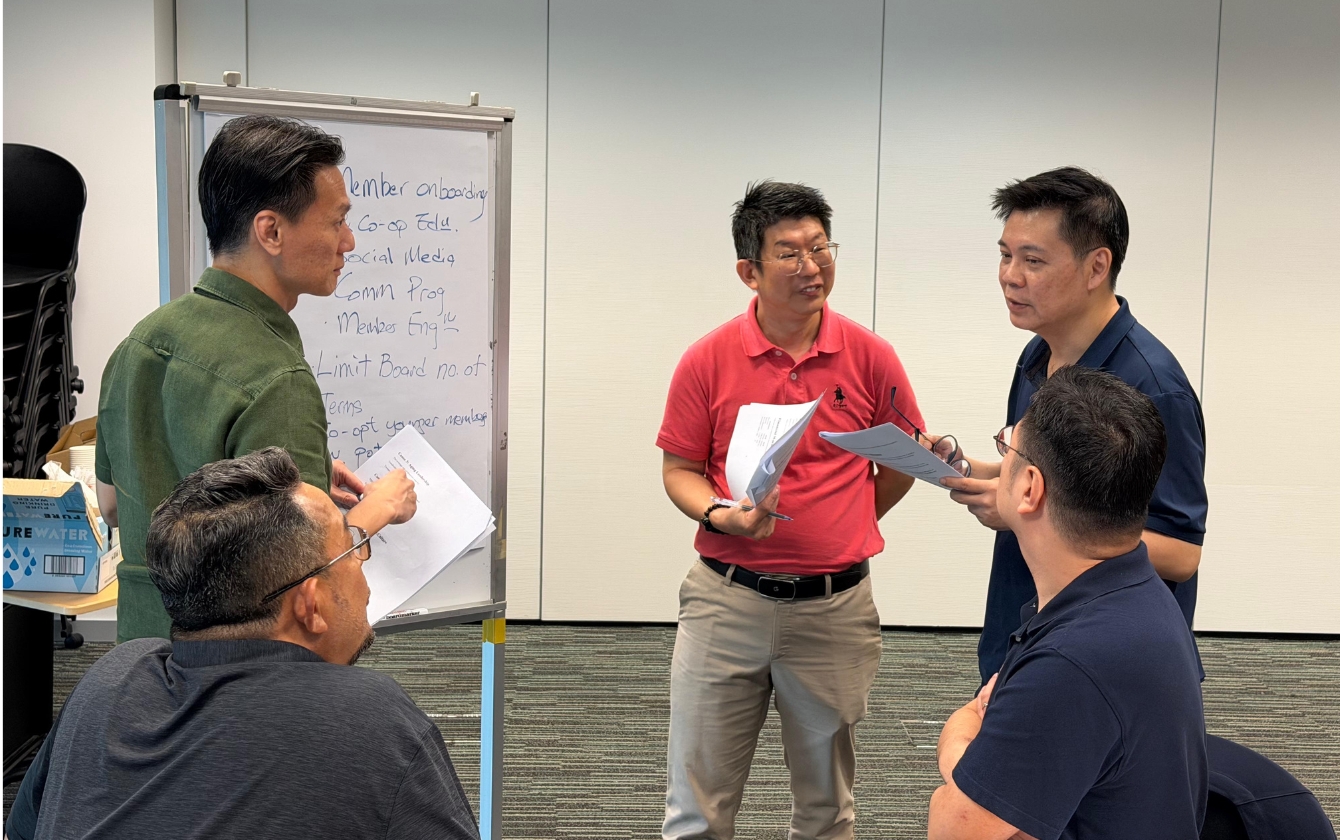
Curated thematic discussions create space for CLP participants to learn from one another
The CLP journey was made possible not only by participants who came ready to learn, but also by the co-ops that supported their development.
With the learning components now wrapped up, participants leave with new connections and fellow co-op leaders whom they can continue learning alongside.
The cohort will next come together at the Annual Co-operative Leaders’ Conference (ACLC), where they will reconnect, continue the conversations and learn from the wider Co-operative Movement.
By Yih Ching, edited by Mary Njo
The Co-operative Leaders Programme (CLP) is an initiative under the SCM 10-year Transformation Roadmap’s Talent & Leadership pillar and aims to equip leaders with knowledge and skills to shape the future direction of their co-operatives. Beyond their individual co-operatives, CLP also aims to enable leaders to contribute to Movement-level discussions and raise awareness of the co-operative model locally and internationally.